Stop paying extra for smart features—Home Assistant can do the hard part
The failure mode is brutally familiar: the appliance is three feet away, the app is open, and nothing happens because the “smart” part is really a cloud relay wearing a nice icon.
The smart tax is really a control tax
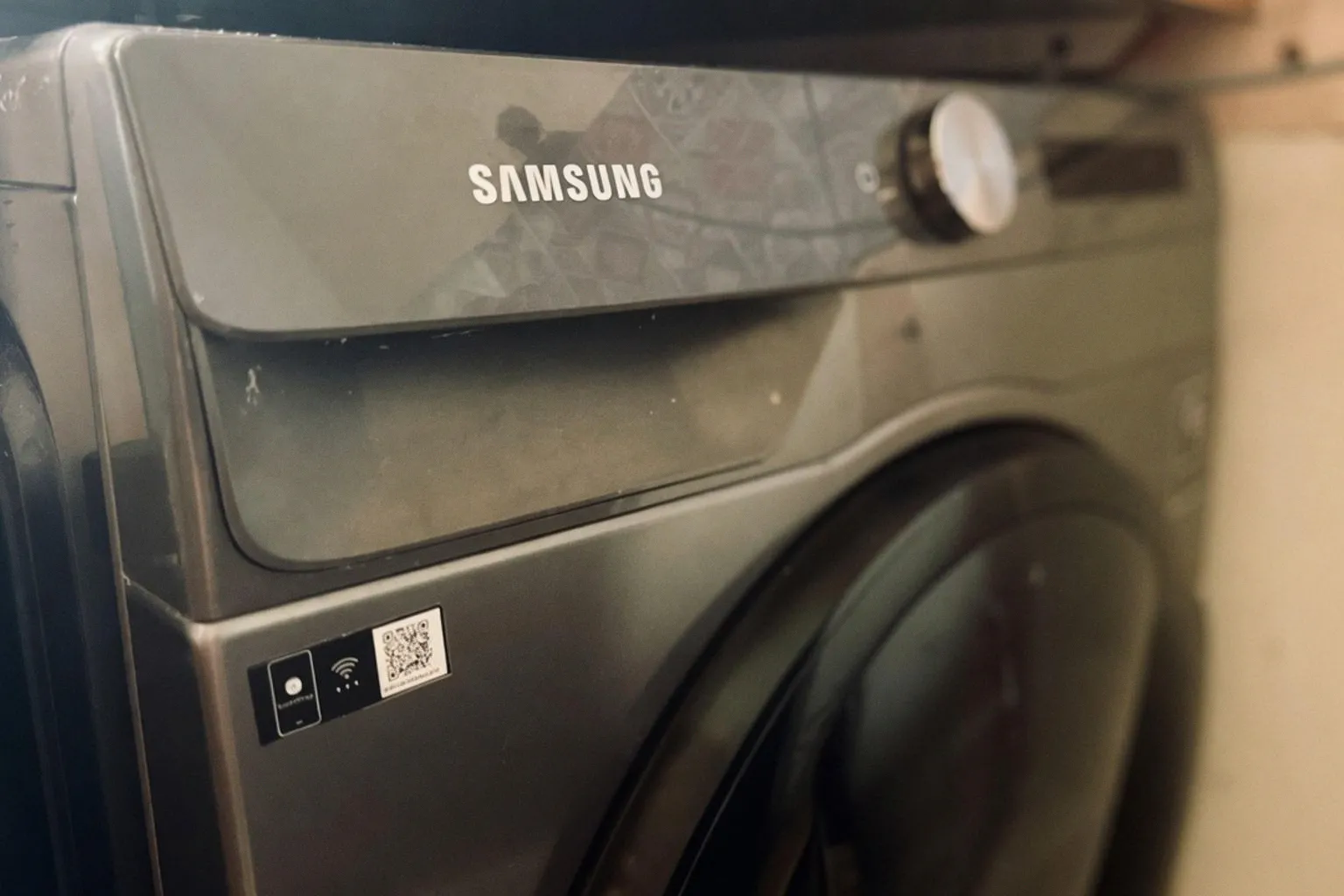
Modern appliances often sell remote monitoring and app control as premium features. In the example cited by Yahoo Tech, a Samsung washing machine connects through SmartThings so Home Assistant can read machine state and power usage via the SmartThings API.
That setup works — until the control plane stops being yours. The report says Samsung is removing free access to the SmartThings API, with access requiring a $4.99-per-month subscription from October 2026. The absurd part is the architecture: the Home Assistant server and the washer can be in the same house, but the state still routes through a service the owner does not control.
That is the walled-garden trap in its cleanest form. A feature that looks like “my appliance talks to my home” can become “my appliance talks to a vendor cloud, which may or may not continue talking to me on acceptable terms.”
For automation people, this is not a philosophical nitpick. It changes how you spec hardware. If the only reason to buy the smart model is “tell me when the cycle ends” or “track energy use,” then the premium feature is not the appliance. It is a trigger. And triggers can be rebuilt.
Rebuild the useful bits with sensors, not subscriptions
The Yahoo Tech example is refreshingly practical: an energy-monitoring smart plug can track when a washing machine is drawing power, and Home Assistant can use that drop in consumption to fire a notification when the wash cycle has finished.
That is the correct pattern: observe the physical behavior, generate a local state, then trigger the automation. No app dependency. No cloud round trip. No vendor permission slip.
There are caveats. A washing machine is a heavy appliance, so the plug must be rated for that kind of load. That is not optional tuning; that is the line between a good automation and a bad idea with a firmware update.
Other patterns follow the same logic. A vibration sensor can infer when a washer or dryer has stopped. A contact sensor can report when a fridge door is open. Sound detection can listen for the beeps that mark the end of a dishwasher cycle. None of these require the appliance itself to be smart. They require the home to be instrumented well.
This is also why reliability keeps surfacing as the real product requirement. Home Furnishings News reports that consumers value reliability over smart appliance features, according to Curion. That squares with what anyone running automations already knows: a brittle cloud dependency is not a feature, it is another failure branch in the logic tree.
What to check before paying for “AI-powered” everything
The broader appliance market is still moving hard toward smarter branding. TechCabal reports that TCL has launched AI-powered smart home appliances in Nigeria, while Ad-hoc-news.de points to Groupe SEB balancing consumer demand and innovation as a global appliance maker. The direction of travel is obvious: more intelligence claims, more app surfaces, more ecosystems asking to sit between your device and your routines.
Fine. Some of that will be useful. But the buying checklist should be colder than the marketing deck.
First, identify the actual automation you need. Finished-cycle alert? Energy tracking? Door-left-open warning? Those are sensor problems. Second, ask whether the device exposes local control or depends on a cloud API. Third, check what happens if the internet is down, the service is shut off, or an API moves behind a paywall. If the answer is “the smart feature dies,” price it accordingly.
Home Assistant’s advantage here is not that it makes everything effortless. It makes the logic explicit. Inputs, thresholds, triggers, notifications — the whole chain is visible and replaceable. That matters in a connected home where even lifestyle tech, from appliance dashboards to ambient displays and the digital art market around Art Basel 2026’s global engagement, keeps drifting toward platform-mediated experiences.
The cleanest setup is still the one that degrades gracefully: local sensors, local automations, cloud only where it adds value. Buy the better motor, the quieter compressor, the appliance that lasts. Let Home Assistant do the smart part — and keep the subscription gate out of the laundry room.