Samsung drives Korea power savings as SmartThings AI guides cashback use - CHOSUNBIZ
We've all stood in front of a smart appliance wondering why, after months of ownership, it still doesn't seem to get our routines.
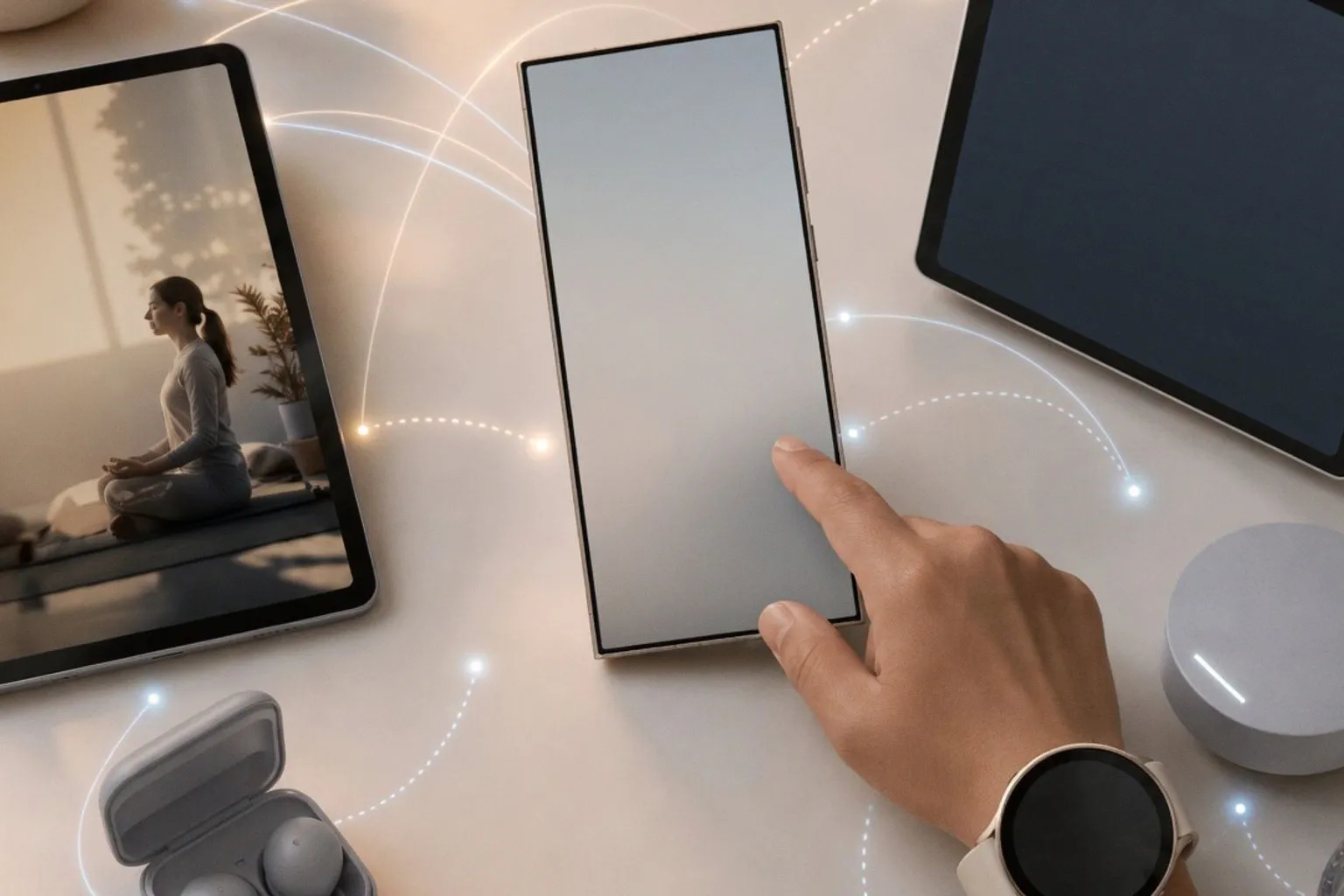
We've all stood in front of a smart appliance wondering why, after months of ownership, it still doesn't seem to get our routines. Samsung just made its case for why that's about to change — and it has less to do with smarter models than with your watch, your phone, and your fridge actually talking to each other. In a recent editorial, the company laid out its philosophy for "agentic AI," and according to Chosunbiz, the real-world test case is already rolling out in South Korea, where SmartThings AI is guiding households toward power-saving cashback programs. For anyone building a connected home, this signals a shift: the next wave of smart appliances won't just respond to commands — they'll act on patterns they've learned from your entire device ecosystem.
What Samsung Actually Means by "Contextual Intelligence"
Here's the friction point most of us recognize: you buy a smart washing machine, connect it to an app, and it basically becomes a remote control with a fancier interface. Samsung's editorial argues the industry has been asking the wrong question — it's not about who builds the smartest standalone AI, but who can know you across enough devices to make that AI useful.
The company describes what it calls "entry points." Your Galaxy Watch tracks sleep and heart rate. Your phone maps your schedule and location. Your tablet knows what you're working on. Your SmartThings-connected appliances see how you actually use your home. Together, Samsung says, these paint "a fuller picture of a person's needs" — and that's the data that lets AI stop waiting for prompts and start making suggestions, or even acting on your behalf.
The Korea Power-Savings Pilot — What We Know
According to Chosunbiz, Samsung is putting this philosophy to work domestically: SmartThings AI is reportedly guiding Korean households toward cashback incentives tied to energy-saving behavior. The specifics of the program remain limited in the reporting available, but the direction is clear — your home's connected appliances could soon nudge you toward lower bills not with generic tips, but with personalized prompts based on your actual usage patterns.
Think of it this way: instead of a blanket "run your dishwasher at off-peak hours" suggestion, imagine your system recognizing that you typically run loads on Saturday mornings, then quietly shifting the cycle to 5 a.m. and putting a small credit back in your pocket. That's the kind of contextual, routine-aware assistance Samsung is building toward.
The Privacy Question You Should Actually Care About
For AI to act on your behalf across dozens of household touchpoints, it needs to ingest a staggering amount of personal data — sleep patterns, meal times, energy habits, location history. Samsung's answer is Knox, its security platform, which the company says ensures "the most personal data stays on the device" and that users "remain in control."
That's a reassuring pitch, but as a practical matter, it's worth watching how this plays out as the ecosystem expands. The more entry points you connect, the richer the context — and the more you're trusting a single platform with the rhythms of your daily life. Samsung positions SmartThings as an open ecosystem, inviting third-party services to plug in, which gives you flexibility but also means more surfaces to manage.
What This Means If You're Building a Smart Home Today
If you're already in the Samsung ecosystem — Galaxy phone, maybe a SmartThings hub, a couple of connected appliances — this vision is quietly assembling around you. The company is betting that breadth of devices across your home matters more than any single app's cleverness, and that the appliances themselves become smarter because of the company they keep.
For anyone choosing between ecosystems right now, the practical takeaway is this: look beyond the appliance spec sheet and ask what else it talks to. The next generation of helpful, unobtrusive smart home tech won't come from a brilliant standalone feature — it'll come from a system that already knows you were up late, skipped breakfast, and tend to start laundry after lunch. That's the context Samsung is chasing, and if the Korea pilot is any indication, it's closer than you might think.