Making homes smarter with home pods
Smart home pods promise one-tap control over your entire living space. What they actually deliver is a compatibility spreadsheet you'll need to cross-reference every time you buy a new gadget.
Ecosystem Lock-In Is the Real Architecture Decision
The moment you unbox a smart home pod, you're not buying hardware—you're signing a platform contract. Google Assistant, Amazon Alexa, Apple Siri: each one is a walled garden with its own device catalog, its own quirks, and its own definition of "compatible." The article from The Daily Star nails the friction point: an Android user deep in Gmail and Google Calendar will get a smoother onboarding with a Nest Hub, while an iPhone household gravitates toward Apple's stack. But here's what most buyers miss—cross-platform support varies wildly. A smart plug that responds instantly to voice commands on one platform might need three extra automations and a bridge device on another.
Before committing, audit your existing gear. What phones run the household? What services handle calendars, music, video? Map it out. The pod you choose should already fit your digital infrastructure, not force you to rebuild it.
Speakers vs. Displays: Pick the Right Trigger Point
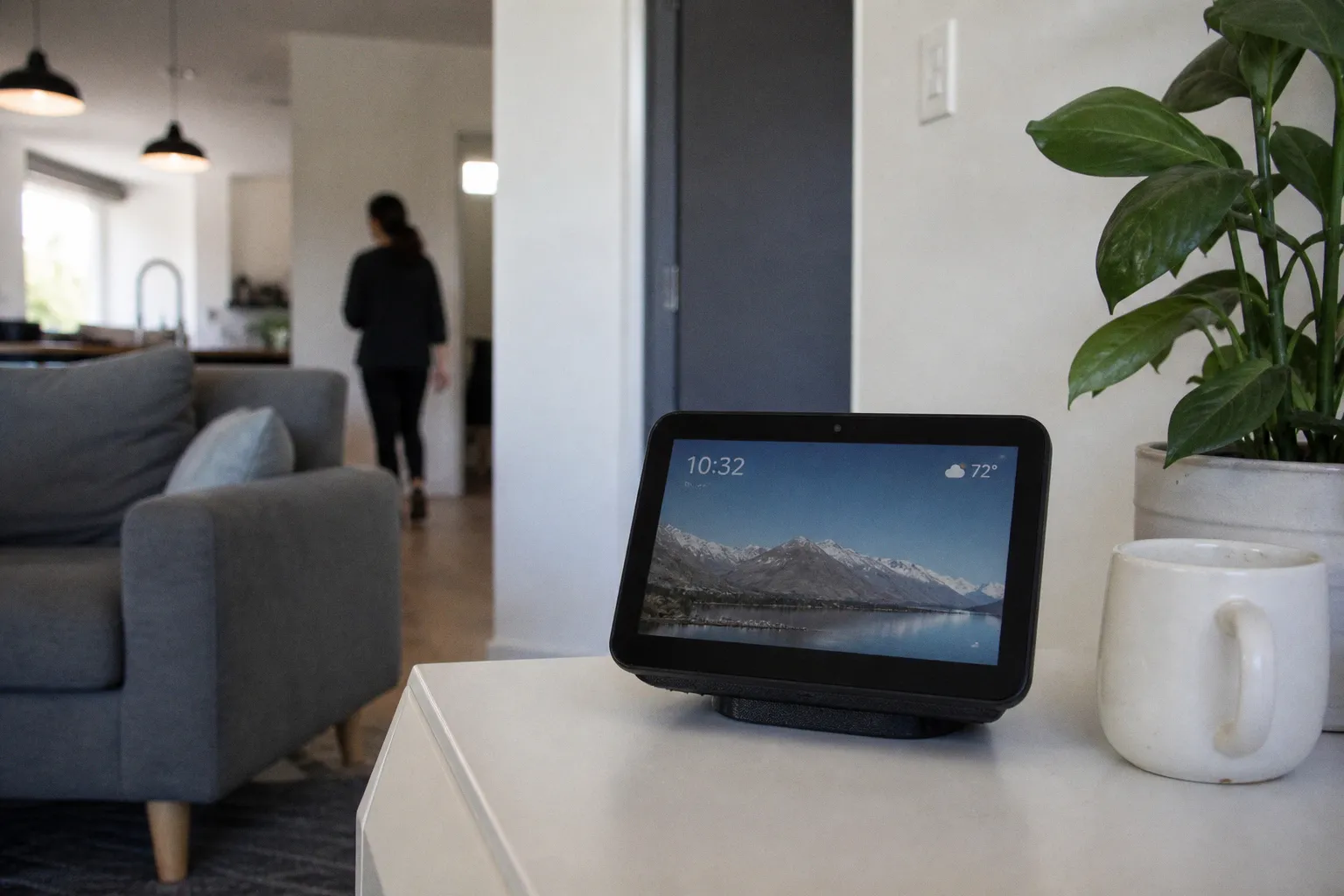
Smart speakers are lean voice triggers—compact, cheap, and fine for running basic logic gates on lights, reminders, and playback. Smart displays add a visual payload: camera feeds, recipe cards, live weather dashboards. The choice isn't about features; it's about where the device sits in your daily flow. A bedroom nightstand doesn't need a screen. A kitchen counter or hallway entry point? That's where a display becomes a genuine information hub, not just a novelty.
Climate Control Enters the Smart Home Stack
The ecosystem play isn't limited to voice pods. Hisense is pushing its Uni series air conditioning units with modular installation and an A+++ efficiency rating across Western Europe, reporting roughly 20% sales revenue growth in the first half of 2026. Their Air Master AC line adds a Smart Eye Pro infrared sensor that detects occupant positions and redirects airflow accordingly—no cold drafts hitting you head-on while you're working at your desk. At 18dB operating noise, it's quieter than most smart speakers on standby. The real automation angle: these units are designed to slot into existing smart home ecosystems, letting your climate control respond to the same triggers and schedules running your lights and locks.
What to Watch Before You Automate
The trap is buying piecemeal. A smart speaker here, a connected thermostat there, a camera system from a third vendor—suddenly you're managing four apps and zero unified logic. The winning setup starts with one platform commitment and builds outward. Check Matter protocol support on every device before purchase; it's the closest thing to a universal handshake we've got right now. And if your pod doesn't offer native webhook or routine chaining, you're stuck with whatever half-baked automations the manufacturer thought were sufficient.
Build the stack intentionally. The pod is just the entry point—the real smart home is the automation logic behind it.