LG Electronics accelerates robot push on back of record home appliance, vehicle component earnings
If you’ve ever hesitated over a pricey “smart” appliance because the clever part felt more like future promise than kitchen-counter help, LG’s latest move is worth watching.
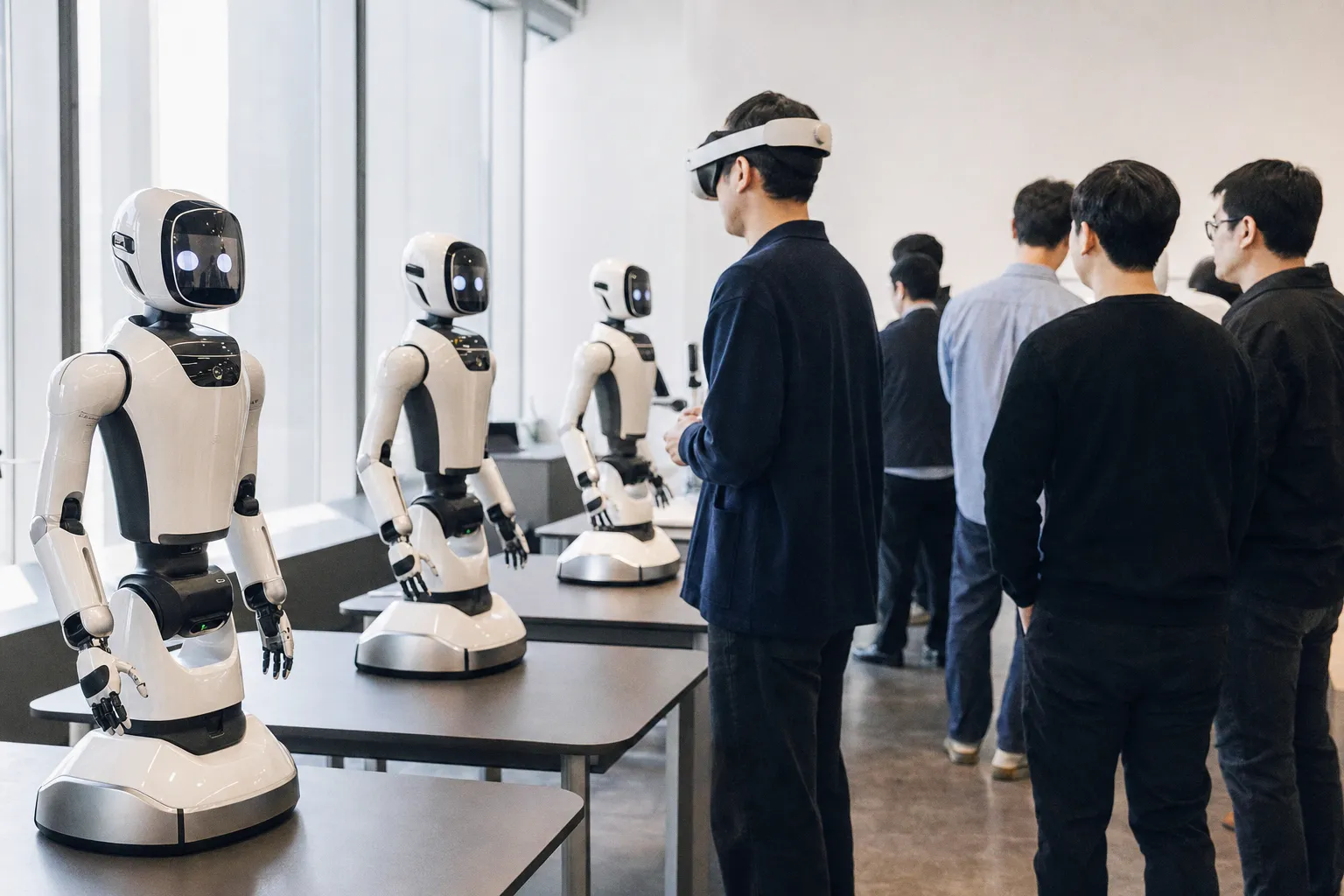
LG’s appliance business is giving robotics room to breathe
Herald Economy reports that LG Electronics recorded second-quarter sales of 23.83 trillion won, about $15.6 billion, and operating profit of 1.58 trillion won — both described as records for any second quarter in the company’s history. The core engine behind that result was not a moonshot product, but the familiar parts of the home and mobility business: Home Appliance & Air Solution, aimed at consumers, and Vehicle Component Solutions, aimed at business clients.
That matters because robotics is expensive, patient work. It is one thing to show a helpful machine at a trade event; it is another to make it reliable enough for real homes, shops, hospitals, or offices, where floors are messy, schedules change, and nobody wants another device that needs babysitting. Strong appliance earnings give LG more room to invest without asking everyday buyers to fund the experiment too early through half-baked gadgets.
The report says LG’s appliance division benefited from a premium-and-volume strategy, holding steady in advanced markets such as North America and Europe while expanding in emerging markets including the Global South. For you, that is the practical signal to watch: LG is not treating appliances as a shrinking legacy business. It is using the laundry room, kitchen, and air-care categories as the base layer for whatever comes next.
The robot plan is moving from side project to structure
The clearest sign of intent is organizational. LG has recently set up a Robotics Business Center that reports directly to the CEO, with Song Si-yong appointed to lead it, according to Herald Economy. The center is expected to bring together the work needed to commercialize robotics, from spotting business opportunities to managing supply chain and manufacturing operations.
That may sound very boardroom, but it has a household meaning. When a company keeps robotics scattered across labs and showcase teams, products can feel clever but disconnected. When it pulls manufacturing, supply chain, and product strategy into one place, the odds improve that future devices are designed for upkeep, parts availability, and repeatable production — the unglamorous bits that decide whether something earns space in your home or becomes expensive clutter.
LG also plans to design and produce actuators in-house, with the report noting that these components account for more than 40 percent of a robot’s cost. The company said it would establish a mass production system before the end of this year. That is a big clue about where LG wants more control: not just the app or the exterior shell, but the movement inside the machine. In a home setting, movement is where trust lives — a robot has to glide, lift, turn, and stop predictably around pets, chairs, thresholds, and sleepy people making coffee.
Don’t buy the robot dream before the chore is real
For smart-home buyers, I would treat this as a “watch closely, don’t rush” moment. LG’s current strength in appliances is relevant because homes do not need more abstract intelligence; they need fewer little frictions — laundry that takes less sorting, cleaning that does not add a second maintenance routine, air systems that quietly adjust without turning the living room into a dashboard.
The wider appliance market is also clearly in motion. Chosun Ilbo has reported that LG Electronics topped home appliance subscription satisfaction, while ERT reported that Samsung Electronics UK appointed a new head of division for home appliances. Vietnam Economic Times, meanwhile, reported that Vietnam’s online electronics and home appliance sales reached $395 million in four months. Taken together, these are not product guarantees, but they do show a category where services, leadership, and online buying habits are shifting quickly.
There is a connected-living angle beyond the home, too. As appliances, vehicles, robotics, and service subscriptions become more intertwined, the business plumbing around them gets more complex — something also reflected in enterprise interest covered in the North America smart contracts market forecast. But for the kitchen and utility room, the test remains wonderfully plain: does the technology remove a chore, or does it just rename one?
LG’s robot push is worth taking seriously because it is being funded by businesses people already use every day. Still, the sensible buyer’s stance is patience. Let LG prove that robotics can be as dependable as a good washer: intuitive, durable, easy to clean, and quiet enough that you forget the machinery and simply notice the house running a little more smoothly.