Disable Google Smart Lock for Netflix on Android
Imagine the scene. The room is dimmed to a precise, moody ten percent bias lighting, casting a soft, warm glow behind your ultra-thin OLED panel. The soundbar is calibrated, ready to push deep, atmospheric bass into the room.
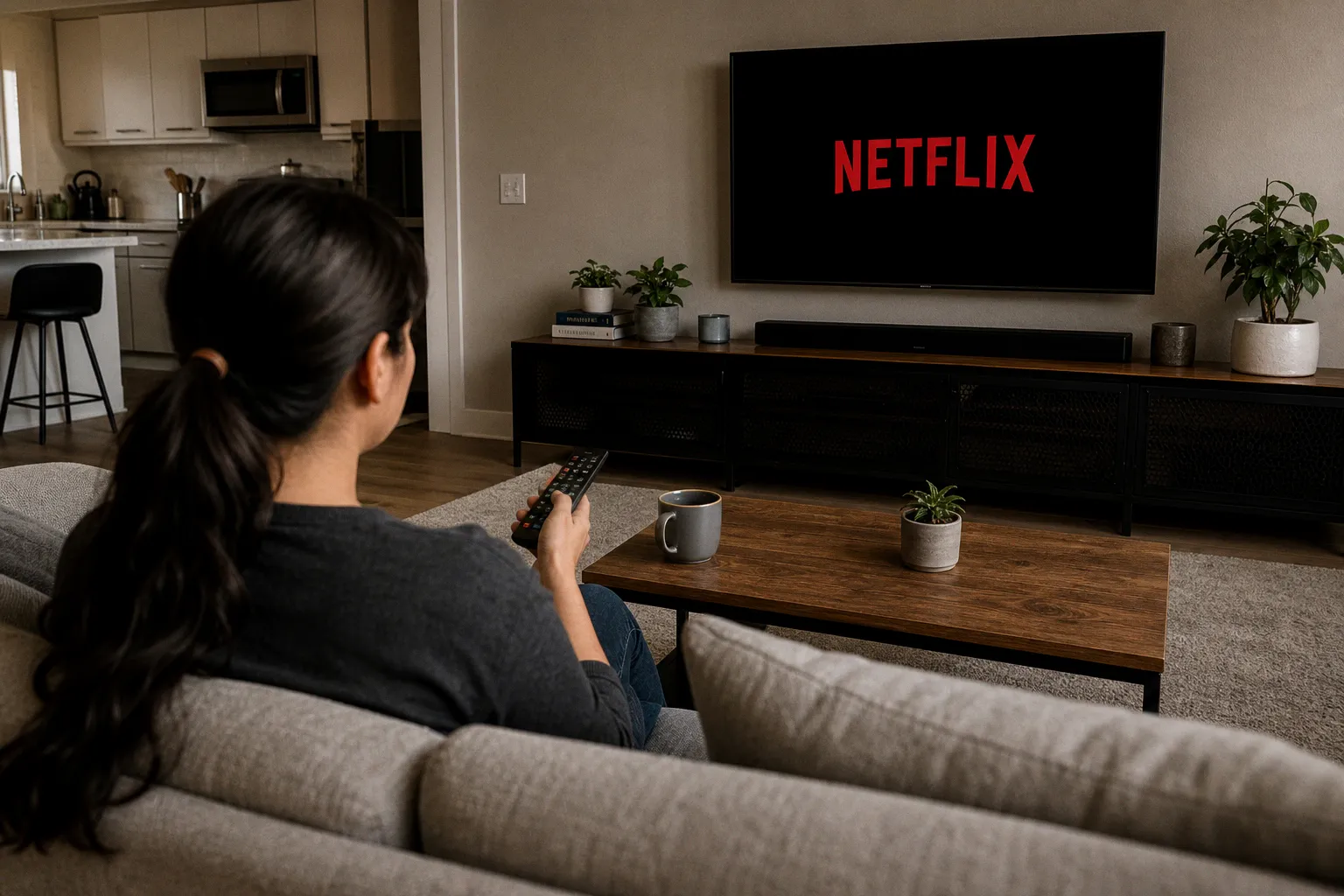
Managing the behavior of google smart lock on netflix is essential if you want to maintain absolute control over your visual environment. When automation oversteps its bounds, it transforms from a convenient luxury into a jarring UI interruption. This guide will walk you through reclaiming your screen, ensuring that your transition from turning on the TV to streaming your favorite content remains sleek, manual, and entirely under your command.
Understanding the Android Credential Ecosystem
In a modern entertainment setup, we strive for a seamless flow. We want our devices to speak to each other, but we also need boundaries. The clash between automated convenience and personal preference becomes highly apparent when we look at the integration of google smart lock on netflix. Smart home, IoT, & lifestyle tech ecosystems are built on the promise of ambient computing—the idea that technology should fade into the background. However, when Google's background services aggressively force a login, it drags the underlying operating system's plumbing right into the middle of your cinematic experience.
Google Smart Lock for Passwords isn't actually a setting inside the Netflix app itself. It is an OS-level feature managed by Google Play Services. It securely stores your credentials in the cloud and injects them into apps the moment a login screen is detected. While this is fantastic for setting up a brand-new phone, it is a nightmare for shared family streaming devices or multi-profile households where you constantly need to bounce between accounts. To fix this, we have to bypass the Netflix app entirely and dive straight into the heart of your Android account settings.
Locating Netflix Credentials in Google Password Manager
To stop the automated intrusion, we must first locate where Google is caching your Netflix keys. Grab your Android device. We want to navigate the system menus to access the secure vault where these passwords sleep. The interface should feel snappy and responsive as we dig into the security settings.
Here is the direct path to find your stored credentials:
1. Open your device's Settings app. You can swipe down to reveal the notification shade and tap the crisp gear icon.
2. Scroll down until you see the Google section (Services & preferences) and tap it.
3. Tap the prominent button labeled Manage your Google Account. This opens a clean, tabbed interface containing your entire Google profile.
4. Swipe across the navigation tabs and select Security.
5. Scroll all the way to the bottom of the Security screen until you locate the Password Manager. Tap it to reveal your saved credentials list.
Inside the Password Manager, you will see a search bar at the top of the screen. Type "netflix" to filter through the noise. Tap the entry for netflix.com. Because this is a secure zone, your device will prompt you for your fingerprint, PIN, or pattern. Once authenticated, you will see the exact username and password combinations that Google has been feeding to your TV or phone.
Disabling Auto-Sign-In for Specific Streaming Apps
Now that you know where the keys are kept, it is time to revoke Google's permission to use them without your consent. We want to stop the system from automatically pushing you past the login screen. We want that crisp, clean profile selection menu back.
Within the Google Password Manager settings, you have two primary toggles that control this behavior globally:
* Offer to save passwords: This toggle controls whether Google asks to remember new passwords you type.
* Auto sign-in: This is the main culprit. When enabled, it automatically signs you into websites and apps connected to your Google Account without confirmation.
| Feature State | Visual UI Behavior | User Control Level | Sound & Screen Flow |
|---|---|---|---|
| Smart Lock Enabled | Jarring blue pop-up; immediate screen transition to the default profile. | Low; must log out manually to switch accounts. | Interrupted; sudden loading screens. |
| Smart Lock Disabled | Clean, dark Netflix landing page with manual "Sign In" button. | High; select exactly which credentials to load. | Smooth; predictable transitions. |
To disable auto-sign-in specifically, tap the gear icon in the top right corner of the Password Manager screen. Find the Auto sign-in toggle and slide it to the Off position.
True smart home luxury isn't about the system making choices for you; it's about the system preparing the stage so you can make your own choices without friction.
By turning this off, you prevent Google from automatically pushing credentials into the Netflix app. The next time you open the app, it will wait for you to tap the sign-in button, allowing you to choose which account you actually want to use.
Removing Stored Netflix Login Data from Your Google Account
If disabling the global auto-sign-in toggle feels like overkill because you still want other apps to sign in automatically, you can target Netflix individually. The cleanest way to do this is to delete the saved Netflix credentials entirely from your Google Account.
Here is how you purge the specific keys:
1. In the Password Manager, search for netflix.com again.
2. Authenticate with your biometrics to view the saved accounts.
3. You will see a list of saved usernames. Under the account that is causing the login loop, tap the Delete button.
4. Confirm the deletion on the pop-up warning.
Removing these credentials does not delete your Netflix account itself. It simply clears the cache from Google's memory. The next time you open the app, it will present a clean slate. You will have to type in your username and password manually.
This is incredibly useful if you share a device with family members who might want to watch different things. For instance, one person might want to log into a profile to stream a cinematic drama, while another wants to jump over to Disney+ or HBO Max to catch a new release. Without Google Smart Lock forcing the screen into a pre-selected account, switching between different entertainment sources becomes smooth, intentional, and entirely free of software-induced loops.
Troubleshooting Persistent Login Loops on Android
Sometimes, even after deleting the credentials and toggling off auto-sign-in, your Android device might still try to log you into Netflix using cached local data. This is a common issue with deeply integrated Android TV OS builds or customized smartphone skins. The system clings to the old session data like a ghost in the machine.
If you find yourself stuck in a persistent login loop, follow these steps to force a hard reset of the app's memory:
* Force Stop the App: Go to Settings > Apps > Netflix and tap Force Stop. This kills any active background processes that might be attempting to auto-authenticate.
* Clear Cache and Data: In the same Netflix app info menu, tap Storage. Tap Clear Cache, followed by Clear Data. This wipes the temporary memory blocks clean, forcing the app to build its launch sequence from scratch.
* Reboot the System: Restart your phone, tablet, or streaming box. A fresh boot ensures that Google Play Services reads the updated settings from your Google Account.
Once the system boots back up, launch Netflix. You should be greeted by the pristine, saturated red logo on a pitch-black background, followed by a manual prompt to sign in. No blue pop-ups, no automated redirects. Just a clean entry point.
Maximizing the Visual and Sensory Flow of Your Media Space
Once you have tamed the software, you can focus on the hardware. Removing intrusive UI pop-ups is just the first step in creating a truly premium viewing environment. The ultimate goal is to make the technology serve the aesthetic of your space.
To maximize the "wow" factor of your newly streamlined setup, consider the following environmental calibrations:
* Saturated Bias Lighting: Match the ambient light behind your screen to the content. Set your smart lights to react dynamically to the dominant colors on the screen, creating a wash of color that expands the perceived boundaries of your display.
* Clean UI Transitions: Set your Android transition animations to 0.5x in the Developer Options. This makes navigating the menus feel incredibly crisp and instantaneous, matching the high-end feel of your physical space.
* Pure Dark Mode: Ensure that all system interfaces are set to true black rather than dark gray. On OLED screens, this allows the pixels to turn off completely, blending the screen seamlessly into a darkened room.
By taking control of the digital handshake between Google and Netflix, you eliminate the visual clutter that disrupts your home theater experience. Technology should feel like magic—silent, powerful, and ready only when you command it.