Australia Home Appliances Market Forecast to Reach USD 15.91 Billion by 2031, Says Mordor Intelligence
You know that moment when you're staring at a kitchen appliance aisle — or scrolling through endless listings online — and you wonder if the market is actually moving toward the kind of smart, connected gear that makes daily routines easier?
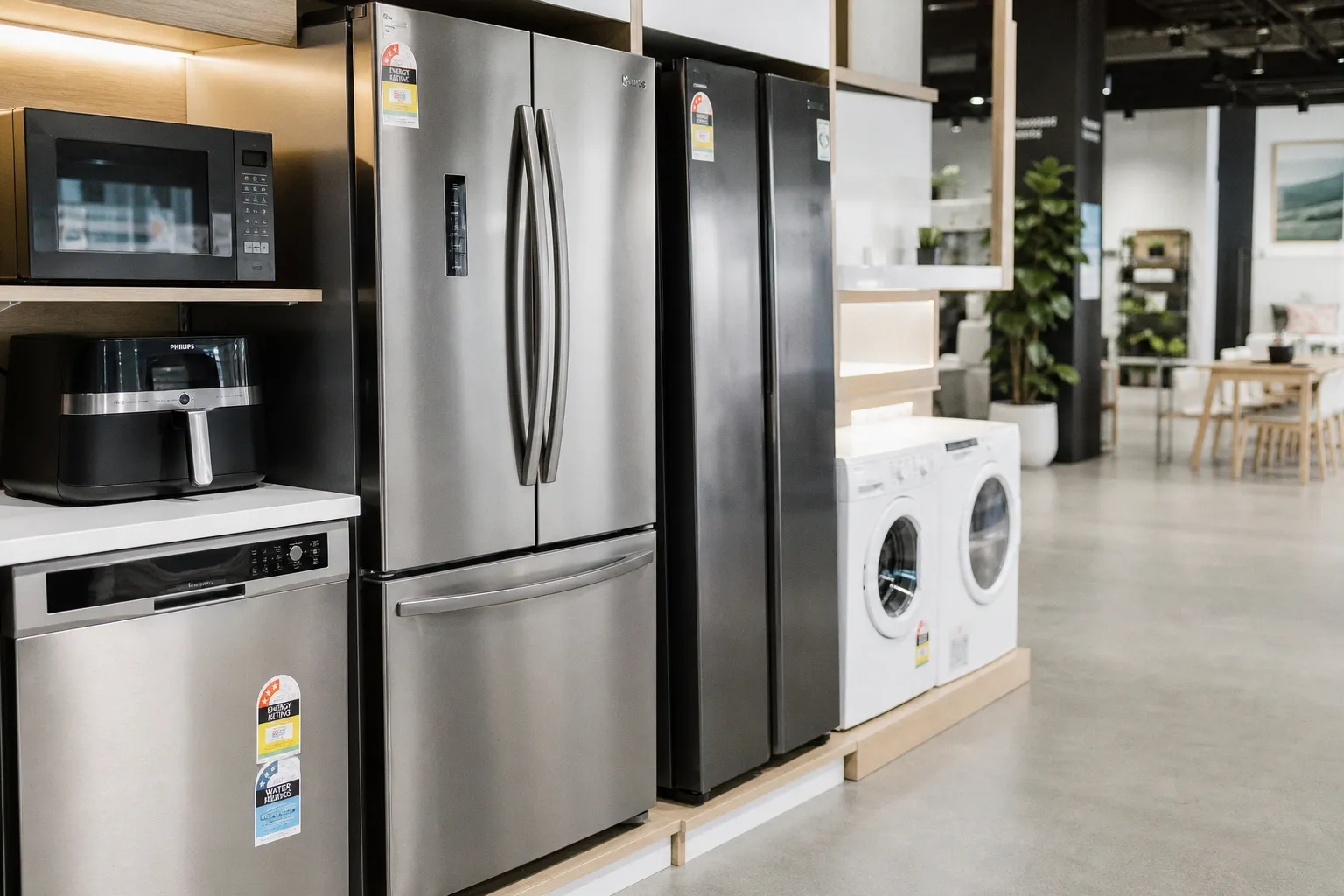
What's Driving the Growth
The broader global picture lines up with Australia's trajectory. According to EIN News, the worldwide home appliances market is expected to reach US$ 1,213.6 billion by 2033, with smart technology adoption cited as a key driver. That tracks with what you've probably already noticed: more refrigerators with touchscreens, washing machines you can start from your phone, ovens that adjust cooking times based on what's inside. The everyday friction points of household chores — sorting laundry, timing meals, managing energy use — are exactly where manufacturers are pouring R&D dollars.
For you as someone who actually lives with these appliances day to day, the growth signals that the ecosystem is maturing. Prices tend to come down as adoption goes up, and compatibility between brands gets better when the market expands. That "smart home tax" you've been reluctant to pay? It may start looking a lot more reasonable.
What This Means for Your Next Purchase
Here's where I'd urge a little patience mixed with curiosity. A market forecast is exactly that — a forecast. It's based on trends and projections, not a shopping list. But the direction is clear: connected, intelligent appliances are no longer niche experiments. They're becoming the default tier in many product categories. If you're planning a kitchen refresh or replacing a washer-dryer set in the next year or two, you'll likely find that the mid-range options now include app integration, energy monitoring, and quiet-operation features that used to be premium-only.
That said, don't let a headline number rush you into a purchase. A USD 15.91 billion market means more choice — which also means more marketing noise. Focus on what actually improves your daily routine: does the smart feature save you time, reduce your energy bill, or solve a genuine hassle? If the answer is no, a solid "dumb" appliance might still be the smarter buy.
The Quiet Upshot
What I find most interesting about these forecasts isn't the dollar figure — it's the implication that the infrastructure around smart appliances is catching up. Reliable Wi-Fi in more Australian homes, better app ecosystems, fewer compatibility headaches. Those are the invisible prerequisites that make connected living actually work, not just sound good in a product listing. If the market is growing this confidently, it suggests those foundations are getting stronger too. For anyone building out a smart home — or just dipping a toe in — that's the real news worth keeping an eye on.