Unlocking growth in the refurbished electronics market: why refurbished tech awareness isn’t yet matched by pu
If you've ever scrolled past a "certified refurbished" tag on a smart speaker or a robot vacuum and hesitated for just a beat, you're not alone.
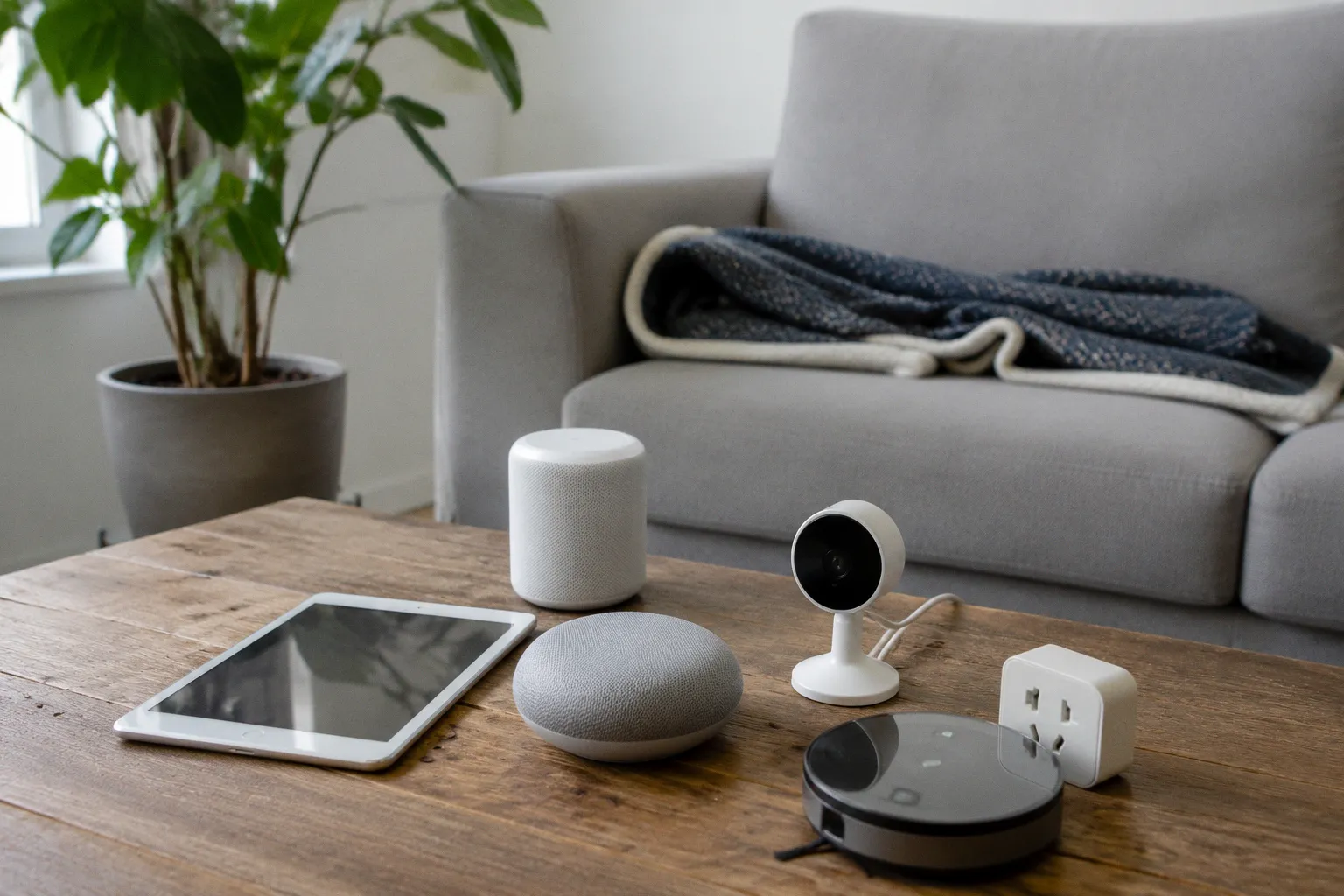
Why knowing about it isn't the same as buying it
The report frames the issue plainly: consumer awareness of refurbished electronics has climbed, yet purchase intent hasn't kept pace. The instinct makes sense once you picture your own kitchen counter. A refurbished smart fridge or a pre-owned mesh router can save meaningful money, but it also introduces a quiet worry — how long was it used, who reset it properly, and will the software keep getting updates two years from now? Those aren't exotic concerns. They're the everyday friction that turns a tempting price into a "maybe later."
For smart home gear specifically, the software half of the equation is what really keeps people on the fence. A refurb can look pristine out of the box, but if the manufacturer has already shifted focus to a newer generation, the device you saved on could quietly lose app support or security patches sooner than a brand-new unit would.
What to actually check before you commit
If a refurbished smart appliance or connected device is on your shortlist, the practical checklist is shorter than you might think. Start with the obvious: is the seller offering a real warranty, and for how long — thirty days is not the same as a year. Confirm the model hasn't been discontinued or replaced by a version with meaningfully different software support windows. And ask whether the device will arrive fully factory-reset, because the last thing you want is someone else's smart home account lingering in the settings.
It also helps to price the "new" version against the refurb on the same screen. A 20% discount on a device that was already on a clearance cycle isn't the bargain it looks like. A genuine 30–40% saving on a current-generation hub or vacuum is a different story, and that's roughly the territory where refurbished starts to feel like a smart move rather than a gamble.
What brands could do to close the gap
The Technology Reseller piece points to brand behavior as the lever that could actually move the needle. Clearer grading, longer refurb-specific warranties, and transparent software-support timelines would do more for buyer confidence than another round of "eco-friendly" marketing. Until that becomes standard, the safest approach is to treat refurbished smart home gear the way you'd treat a secondhand car: worth it, sometimes, but only when the paperwork is honest and the service plan is real.
For now, the market knows refurbished is an option. The trust is still being built — and that's the part worth watching.