AI Fridge Market to Reach $6.27 Billion by 2030: Key Trends and Growth Drivers
If you’ve ever stood in front of the fridge trying to remember whether the spinach is still usable, or bought yogurt twice because the first tub disappeared behind leftovers, the pitch for an AI fridge is easy to understand.
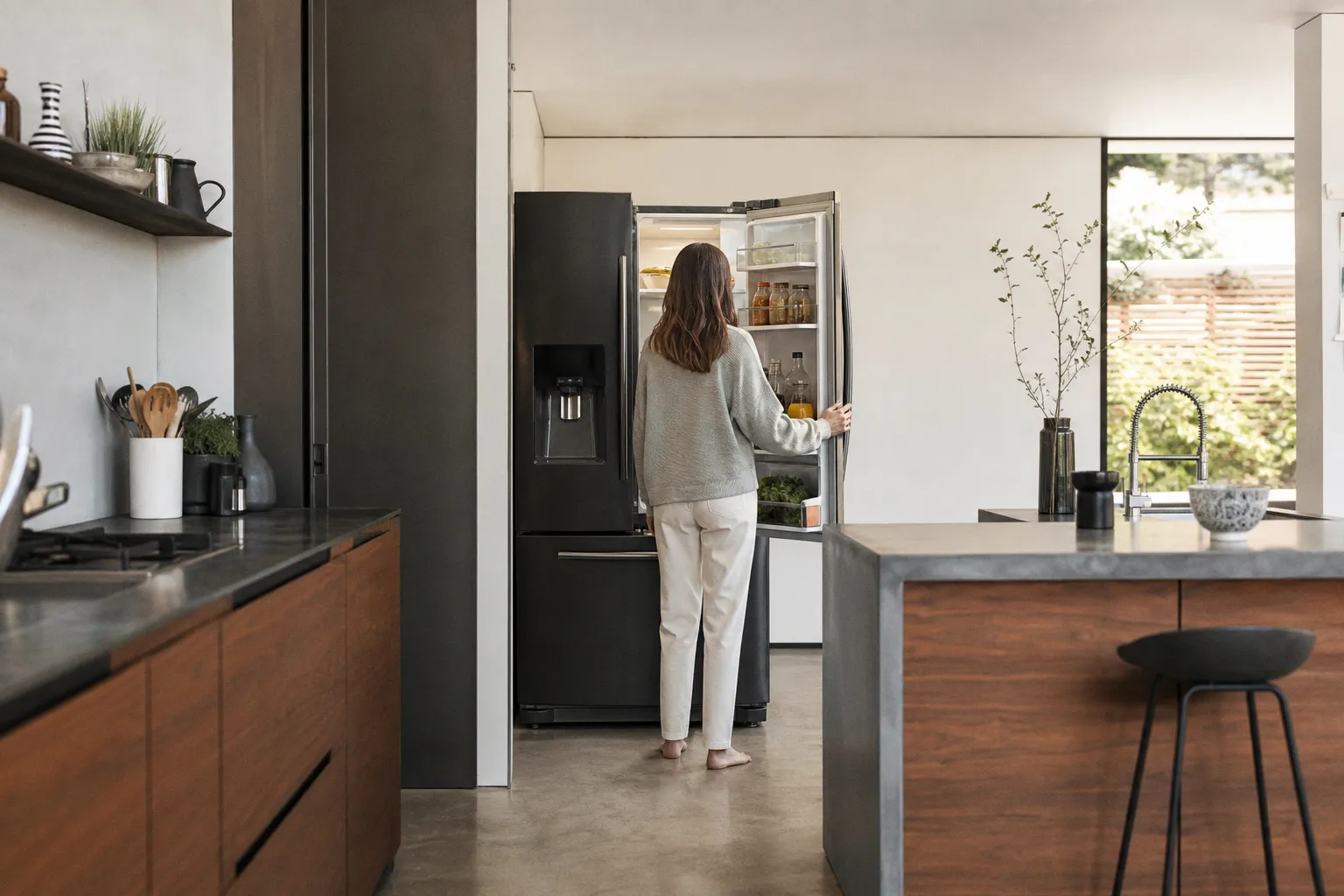
The smart fridge is moving beyond the flashy screen
The report frames AI fridges as appliances built around inventory management, temperature optimization, energy monitoring, connected-appliance integration, data analytics services, smart sensors and cameras, touchscreen interfaces, and automated inventory systems. In everyday kitchen terms, that means the fridge is being sold less as a cold box with a tablet on the door and more as a helper that can keep track of what’s inside, adjust how it runs, and connect with the rest of the home.
That matters because the best version of this idea is quiet and practical. You don’t want another glowing panel nagging you while you’re making breakfast. You want fewer moments where food goes soft unnoticed, fewer trips to the store for something you already had, and less fiddling with settings when the house is busy.
According to the report, growth is being driven by rising adoption of smart home appliances, awareness around reducing food waste, higher disposable incomes, wider retail distribution, and demand for energy-efficient appliances. It also points to AI and IoT integration, health and nutrition interest, voice assistant compatibility, and commercial adoption as longer-term drivers.
Energy, food waste, and phone control are the real hooks
The most useful AI fridge features are likely to be the ones that fit into routines you already have. The report specifically highlights inventory management and temperature optimization as ways these appliances can improve convenience and reduce food waste. It also says smartphone use supports remote monitoring and control, which can make energy efficiency and convenience easier to manage.
That phone connection is where I’d pay close attention as a shopper. Remote control sounds handy, but it needs to feel intuitive rather than fussy. If an app helps you check the fridge before leaving work, monitor energy use, or adjust settings without digging through a manual, that’s meaningful. If it just adds logins, alerts, and another dashboard to ignore, the “smart” label becomes clutter.
The report cites Samsung’s focus on AI-driven features such as AI Energy Mode and AI Home Care, and says its Bespoke AI Refrigerator series includes automatic energy optimization and Wi-Fi-enabled remote control. Other prominent players named in the report include Midea, LG, Panasonic, Xiaomi, Haier Smart Home, and Whirlpool. That mix suggests AI fridge features are not being treated as a one-brand experiment, but as a direction larger appliance makers are preparing around.
Don’t buy the forecast — buy the fit for your kitchen
The report says North America was the leading region for AI fridges in 2025, while Asia-Pacific is projected to outpace other regions, supported by manufacturing strength and tech innovation. It also notes that global trade fluctuations may affect component costs while encouraging local manufacturing and technology-driven value creation.
For you, the practical takeaway is to be patient and specific. A fast-growing market does not mean every AI fridge will make your kitchen easier to live in. Before getting pulled in by a touchscreen or a long list of connected features, look for the basics: whether inventory tracking fits the way your household shops, whether energy tools are automatic enough to stay useful, whether the app is something you’ll actually open, and whether the fridge still feels simple when your hands are full and dinner is half-made.
AI in the kitchen will be worth it when it reduces upkeep rather than adding another layer of management. If your household wastes food often, shops in a rush, or already uses connected home routines, the next wave of AI fridges may be genuinely helpful. If you mainly need reliable cooling, quiet operation, and easy shelves, the smartest move may still be to wait until these features become calmer, cheaper, and better blended into the appliance itself.