Assessing the Value of Sustainable Silicon Carbide Technology
You know that nagging worry when your EV’s battery drains faster than you’d like, or when you’re eyeing those solar panels but aren’t sure they’ll truly cut your bills?
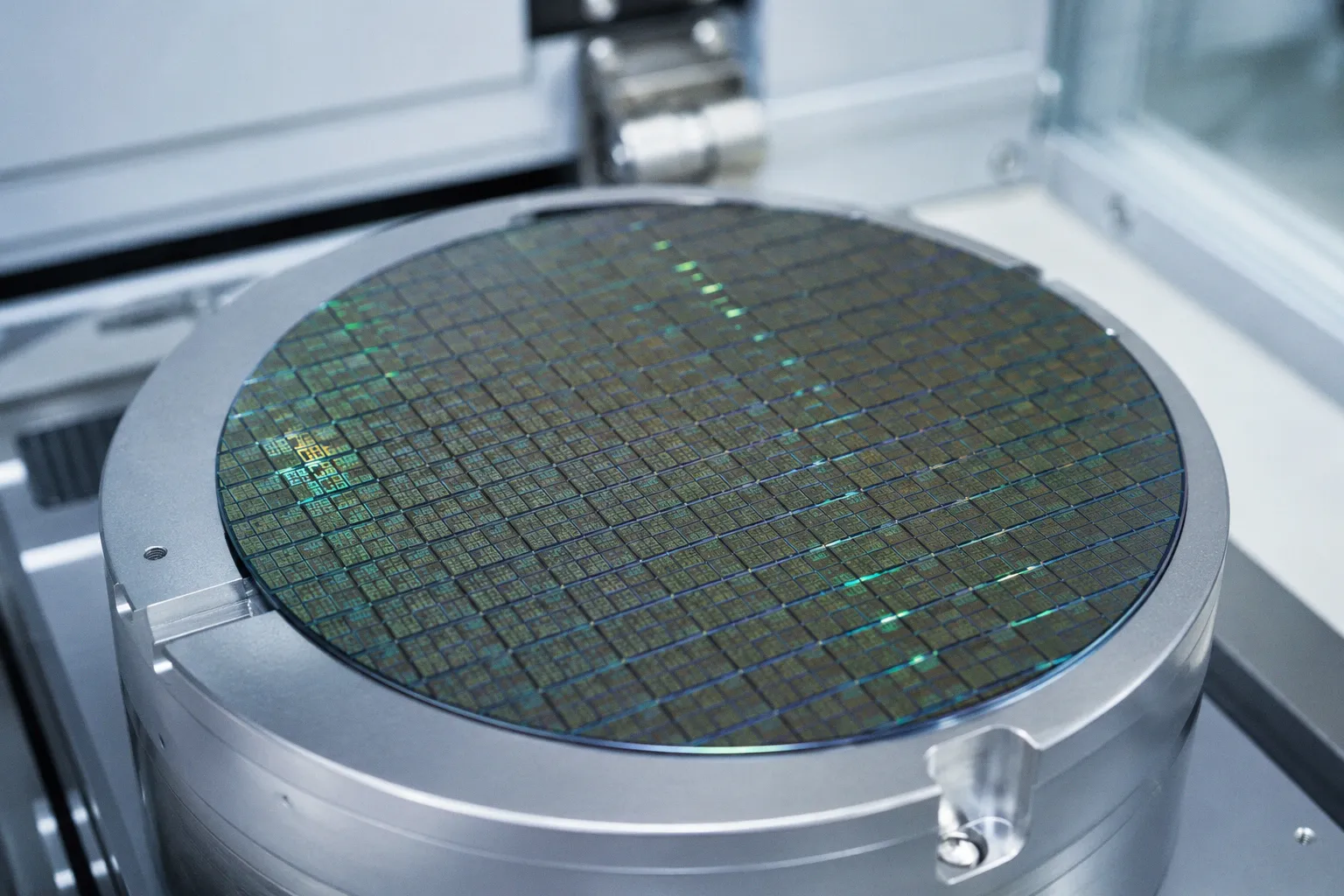
The Allure of Efficiency: How Silicon Carbide Changes the Game
The core appeal of silicon carbide, or SiC, is its superior ability to manage electricity. According to analysis from TechInsights, this translates to tangible benefits for everyday tech. For your EV, it can mean a longer driving range on a single charge and significantly shorter waiting times at the charger. For your home’s energy setup, like an inverter for solar panels, it means converting power more effectively with less energy lost as waste heat. This efficiency isn’t just a spec sheet number; it’s about getting more out of the technology you’ve already invested in, reducing both your energy use and the need for bulky cooling systems or extra components. Companies like Wolfspeed are betting big on this, building massive new factories to meet the growing demand from the electric vehicle and renewable energy sectors.
The Environmental Catch and the Long View
Here’s the trade-off that’s essential to understand, and it’s a classic case of considering the full lifecycle. The report points out that manufacturing SiC wafers itself has a heavier initial environmental footprint, emitting over three times as much CO2 as producing traditional silicon wafers. So, at first glance, it seems less green. The crucial balance comes from what happens next. Because SiC devices are so much more efficient in operation, they lead to overall energy savings that can offset that production cost. The key for you, as a user, is that the real sustainability benefit is realized over the lifetime of the product—your car, your home’s power system—through reduced electricity consumption and lower losses in the grid.
Who Should Actually Pay Attention?
So, does this matter for your next appliance or tech purchase? Right now, its most immediate impact is in the components that manage power, not necessarily in the smart fridge or speaker itself. If you’re considering an EV, a home solar battery system, or any high-power appliance, silicon carbide is becoming a critical factor in performance and efficiency. It’s a technology to watch because it directly affects operating costs and effectiveness. As costs potentially come down with scale, its benefits may trickle further into the everyday devices that make a home smarter. For now, think of it as the powerful, efficient engine under the hood of the sustainable tech transition—something that makes the whole system run better, even if you don’t see it directly.