Level Lock Team Restructuring Raises Support Concerns
A smart lock is only “smart” until the support backend becomes the single point of failure.
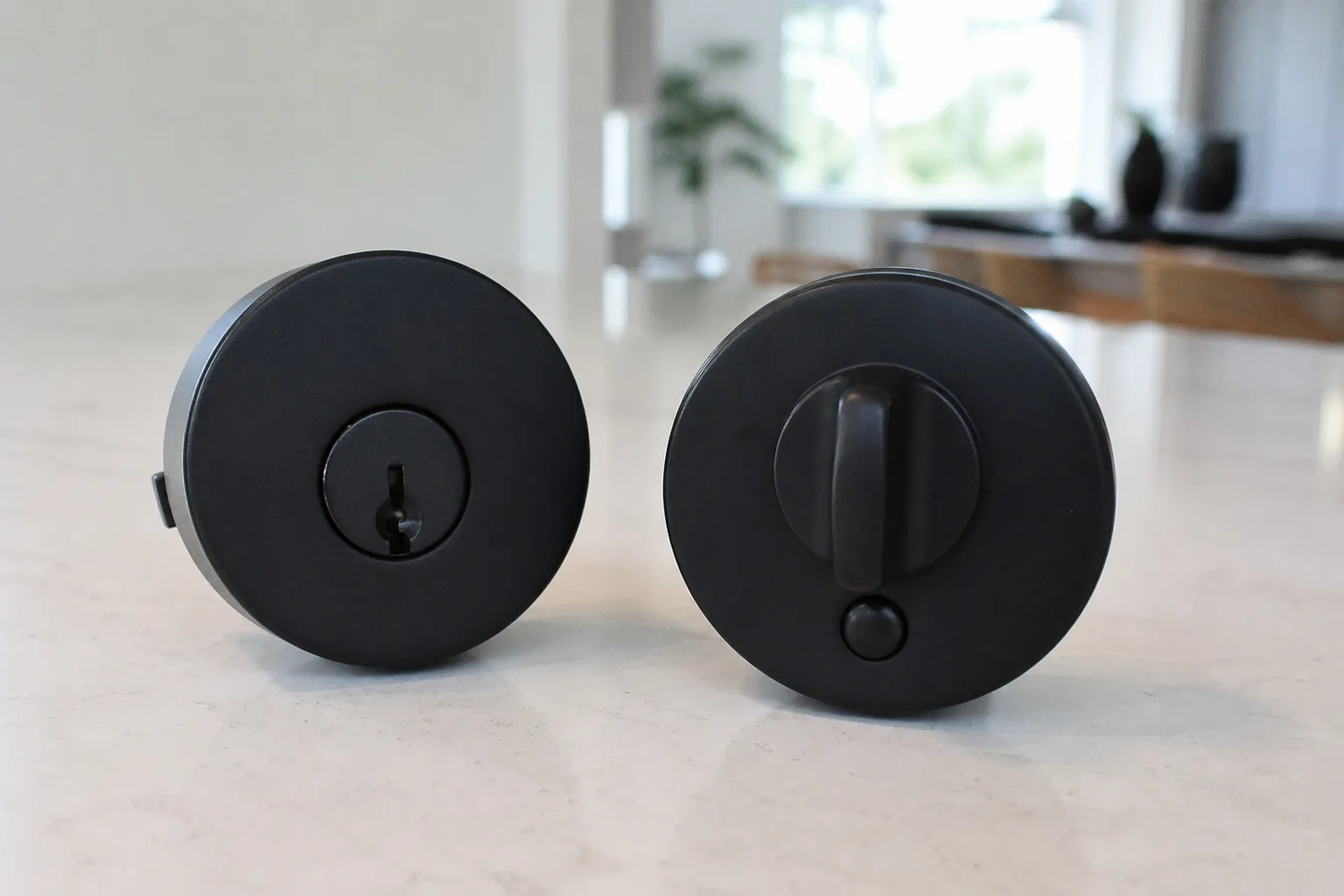
The lock still turns; the question is who maintains the logic
According to Forbes, the restructuring at Level follows its acquisition by Assa Abloy in 2024. The report says most of the smart lock maker’s staff has been laid off and that the Level brand is being folded into Kwikset, another Assa Abloy brand.
Forbes cites reporting from The Verge, which said Level’s founders — CEO John Martin and CTO Ken Goto — have departed along with much of the engineering team. The Verge also reportedly obtained audio from an internal meeting where employees were told their roles had been eliminated as part of a broader Level restructuring, with a former employee also confirming layoffs publicly.
Assa Abloy’s position is that Level is not disappearing. The company told The Verge that Level continues to operate as a business within Assa Abloy and that it will continue to develop and sell the Level Lock platform and hardware.
That statement matters, but for anyone running automations off a front door, it is not the same as an uptime guarantee, a roadmap, or a promise that every cloud-dependent behavior will keep behaving the same way.
Why this hits harder than a normal gadget reshuffle
Level’s appeal was never just “app opens lock.” Plenty of hardware does that. Its trick was architectural: hide the connected hardware inside a deadbolt that still looked like a deadbolt. No black slab. No obvious keypad tumor. No front-door gadget shouting for attention.
That made Level one of the more interesting smart lock plays for people who care about both home design and automation. But the premium experience depends on more than metal and motors. Forbes notes that Level’s companion app, auto-unlock, and door status detection rely on Level’s cloud infrastructure.
That is the dependency graph users should be staring at now.
If the lock is part of a larger routine — arrival scenes, alarm disarming, guest access, rental access, or “door closed” triggers — the hardware is only one node. The app, account layer, cloud services, and firmware pipeline are also part of the flow. When the team that built and maintained those layers is heavily reduced, support risk moves from theoretical to practical.
Assa Abloy may well keep the product line alive. It has said it will. But smart home history is littered with devices that technically kept working while the experience around them got slower, thinner, or less predictable. A lock is not where you want vague platform drift.
Don’t rip it out — instrument it
For current Level owners, panic is the wrong automation. Verification is better.
Start by identifying which parts of your setup depend on Level’s cloud features rather than local behavior. Pay particular attention to app access, auto-unlock, door status detection, and any automation that assumes those signals are reliable. If a routine uses the lock as a trigger, treat it like production infrastructure: test the payload, check the fail state, and make sure the house does something sensible when the cloud signal does not arrive.
For buyers, the decision gets sharper. Level hardware may still be sold and supported, according to Assa Abloy, but this is now a watch-the-maintainer situation. If you are choosing a smart lock for a new setup, factor in not just industrial design but support continuity, integration behavior, and how much of the experience depends on a service you cannot self-host, route around, or replace.
The advanced config is simple: keep your door automation modular. Don’t let one vendor’s cloud be the only logic gate between “I arrived home” and “the house is secure.” Use the lock where it excels, but make sure your routines degrade cleanly if the app layer, auto-unlock, or status detection starts throwing bad signals. That is not paranoia. That is how you keep a connected home from becoming a very expensive walled garden with a deadbolt.