Premium Kitchen Appliances Drive the Next Expansion Cycle
You know that moment when a kitchen upgrade starts as “I just need a quieter dishwasher” and suddenly turns into tabs full of connected ovens, premium finishes, app controls, and delivery options?
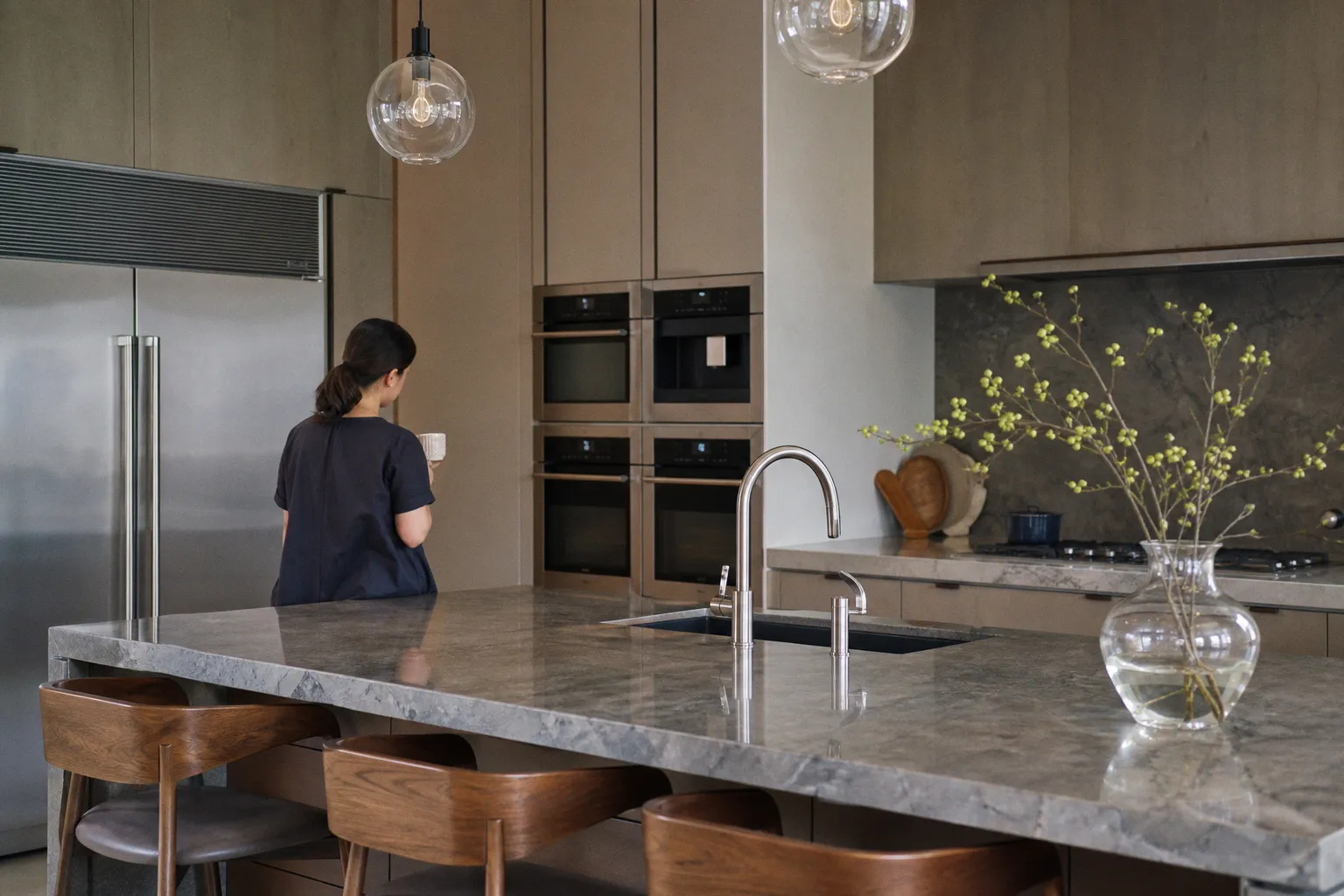
Premium is being sold as less friction, not just more shine
The important thing here is not simply that “premium” is back in the conversation. For smart-home buyers, the signal is that kitchen appliances are increasingly being positioned around convenience: fewer steps, easier buying, and features that fit into everyday routines.
That matters because the kitchen is where appliance promises either become genuinely helpful or quietly annoying. A fridge, oven, coffee machine, or dishwasher can look beautifully advanced on a product page, but if it adds another app, another login, another notification stream, or another cleaning routine, it can turn your calm morning into clutter with a touchscreen.
The vocal.media item, as surfaced in the available snippet, points specifically to consumer convenience and digital retail as part of its market analysis. That is a useful reminder to look beyond the showroom language. If you are shopping in this premium wave, the practical question is not “how smart is it?” but “does this make dinner, cleanup, storage, or maintenance easier on a Tuesday night?”
Digital retail changes how you compare appliances
The mention of digital retail is worth pausing on. Big appliances used to be heavily showroom-led: you opened doors, listened for rattles, touched the handles, and tried to imagine the thing in your own kitchen. Online appliance shopping makes comparison easier, but it can also flatten the experience into badges, bundles, and polished lifestyle photos.
For connected appliances, that can hide the upkeep. You may see the premium finish and the smart feature list, but not the day-to-day realities: whether the controls are intuitive for everyone in the house, whether the appliance works well without constant app attention, and whether replacement parts, filters, or service support are easy to understand before you buy.
I would treat this expansion-cycle framing as a nudge to slow down, not speed up. If brands push harder into premium kitchens, you will likely see more appliances marketed as lifestyle upgrades. Some will be genuinely useful. Others may be expensive ways to move a simple button into an app. The better purchase is the one that disappears into your routine: quiet when it should be quiet, easy to clean, easy to explain to a guest, and not fussy when the Wi‑Fi has a bad day.
The wider appliance market is getting noisier
The broader source cluster also includes an IndexBox item on European Union home outdoor pest control devices and an EIN Presswire item reporting that Hobot Technology’s Hobot Sp10 iScraper won Bronze in the A’ Appliance Industry Awards. Those are not kitchen-appliance details, and they should not be stretched into more than they are. But together, they do show how wide the appliance conversation has become: kitchens, outdoor home devices, and niche cleaning tools are all competing for attention in the connected-living space.
For readers planning a kitchen purchase, the takeaway is practical. Premium appliances may be entering a more active cycle, but that does not mean every upgrade deserves a place in your home. Watch how brands explain convenience, not just how they decorate it. Check whether digital buying gives you enough real information about noise, cleaning, controls, service, and daily fit. And if a feature sounds impressive but you cannot picture using it during breakfast prep or after-dinner cleanup, it may be showroom sparkle rather than household value.