European Union Smart Appliances Coatings - Market Analysis, Forecast, Size, Trends and Insights
The next time you wipe fingerprints off a glossy fridge door or wonder why a “smart” appliance still feels fussy to live with, coatings probably are not the first thing on your mind.
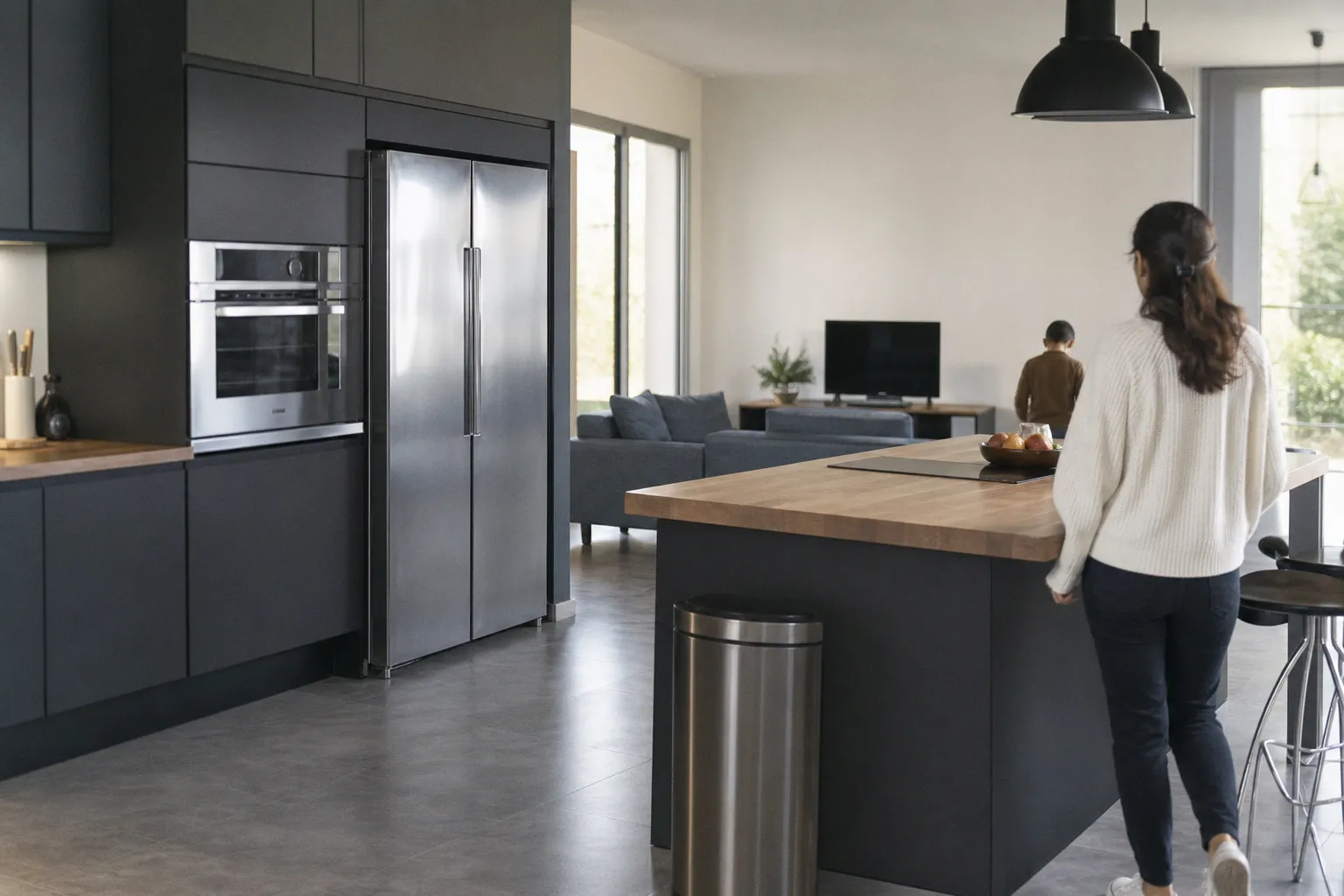
Coatings are becoming part of the smart appliance story
IndexBox has published a market analysis titled “European Union Smart Appliances Coatings - Market Analysis, Forecast, Size, Trends and Insights.” The available source text also says the world smart appliances coatings market is entering a phase of sustained expansion, with demand projected to grow at a compound annual rate of 7.8% from 2026 to 2035, reaching a market index of 212 relative to 2025.
That is a market-forecast way of saying something practical: the materials wrapped around connected appliances are becoming a bigger part of the product equation, not just a cosmetic afterthought. For anyone choosing a smart oven, washer, fridge, dishwasher, or smaller connected appliance, this is worth watching because the “smart” part only helps if the thing still feels pleasant to use after the first month.
In real kitchens and laundry rooms, coatings live a hard life. They meet steam, detergent, oil, sticky hands, pet hair, and the occasional overenthusiastic scrub. A finish that looks elegant in a showroom can become annoying if it shows every touch or needs babying. So when the coatings market grows alongside connected appliances, I read it as another sign that manufacturers are being pushed to make smart products fit into ordinary routines, not just spec sheets.
Why this matters before you buy the shiny model
The evidence available here does not name specific brands, coating types, or EU country-level figures, so this is not a ranking of which appliance surface is best. But the direction is useful. If demand for smart appliance coatings is expected to expand, buyers should expect more marketing around finishes, easy-clean surfaces, anti-smudge claims, and durability language.
My advice is to treat those claims the same way you would treat a new app feature on a washing machine: ask how it helps on a Tuesday night when dinner is late and the laundry is waiting. Does the door wipe clean with a soft cloth, or does it need a special cleaner? Does the control panel still respond well if your hands are damp? Is the finish likely to be forgiving in a busy household, or will it turn into another small chore?
This is especially important in open-plan homes, where appliances are not hidden away. A smart fridge or robot vacuum dock often sits in your line of sight every day. The finish becomes part of the room, part of the cleaning routine, and part of whether the product still feels calm and intuitive instead of like another bit of high-maintenance tech clutter.
Robots are circling the same home-habit question
The second item in the source pack is an openPR.com listing titled “Consumer Robots Market Growth Trends, Regional Insights, and Future Forecast to 2031.” There are no further details provided in the available text, so it is only safe to note that consumer robots remain part of the same broader smart-home conversation.
That connection matters because robots are among the most physically handled and bumped-around devices in the connected home. They dock, undock, brush against furniture, collect dust, and often sit visibly in living spaces. Like smart appliances, their surfaces and finishes affect more than appearance: they shape how easy they are to keep clean and how well they blend into everyday life.
For now, I would not rush a purchase based on market forecasts alone. Instead, use this as a reminder to look past the headline intelligence of a device. The app, sensors, and automation are important, but the outer shell is what you touch, clean, and live with. The homes that benefit most will be the ones where smart appliances become quieter to own — not just more connected, but easier to wipe down, harder to scuff, and less demanding in the daily round of cooking, washing, and tidying.