Can a smart kitchen genuinely save time and energy?
The kitchen is where “smart” can either feel genuinely helpful or like one more thing blinking at you while dinner is already late.
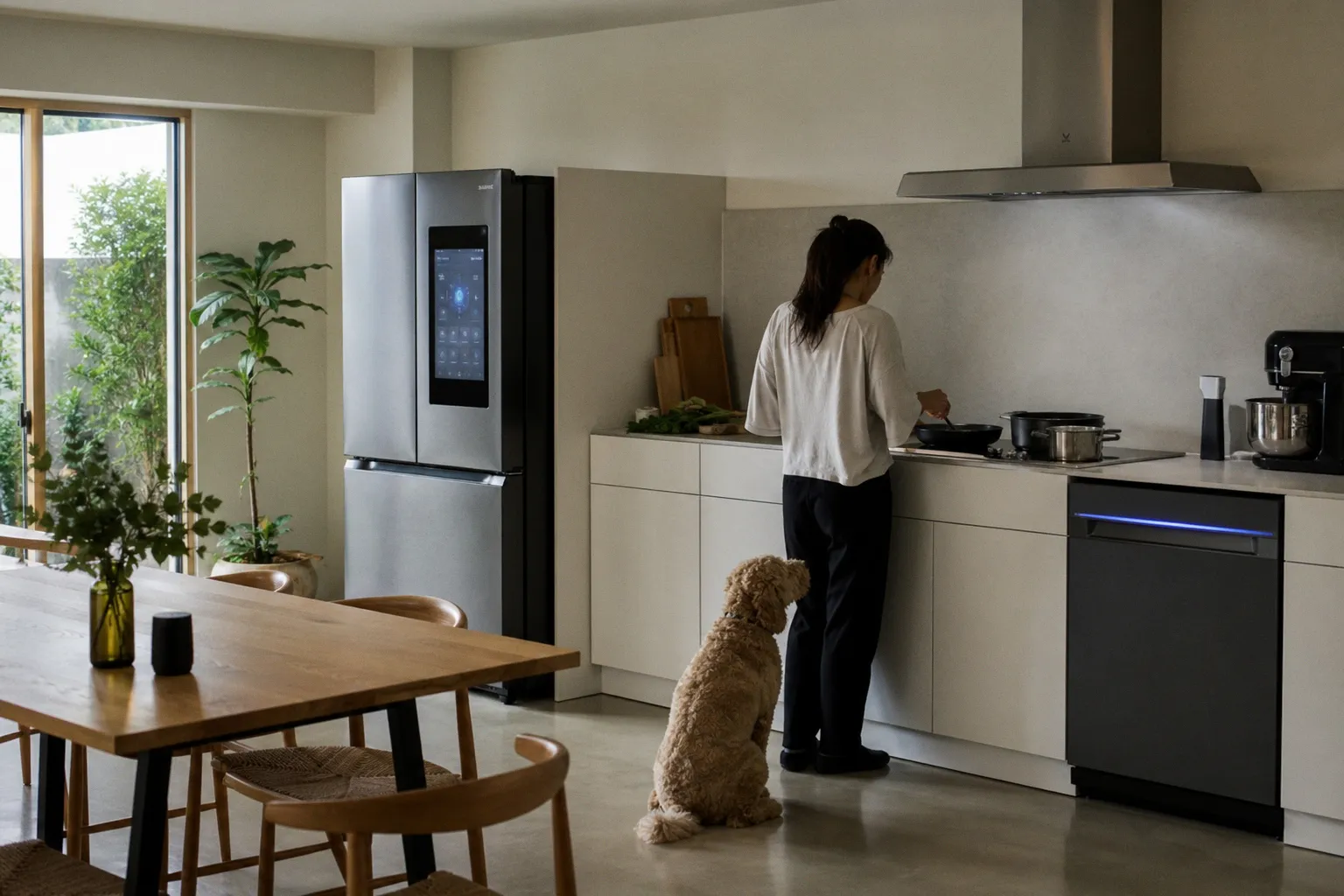
The smart kitchen pitch is getting louder
The latest signal is less about one breakthrough appliance and more about the direction of the room as a whole. MSN has framed the question plainly: can a smart kitchen genuinely save time and energy? That is the right question, because most households do not need another app for the sake of it; they need fewer forgotten steps, less counter clutter, and appliances that are easy to live with on a tired Tuesday night.
At the same time, market reports suggest manufacturers and retailers are still betting on the category. EIN News reports that the toaster market is projected to reach US$6.2 billion by 2033, with rising smart kitchen appliance adoption named as a driver. Separately, Industry Today reports that the air fryer market is projected to reach USD 2.34 billion by 2036 amid growing healthy cooking trends.
Those are market signals, not proof that every connected toaster or air fryer will make breakfast calmer. But they do show where appliance makers see demand: small countertop devices are becoming part of the smart-home conversation, not just the oven, fridge, or dishwasher.
Where “saving time” can be real — and where it can get fussy
In daily use, the value of a smart kitchen has to show up in very ordinary moments: preheating while you clear the sink, nudging you before food is forgotten, making a repeat meal feel less like guesswork, or helping several people in the home use the same appliance without a mini lesson every time. If the feature makes you stop, unlock your phone, find the right menu, and interpret vague alerts, that time saving starts to evaporate.
That is why the current smart-appliance push needs a practical filter. A smart toaster, for example, only earns its place if it makes a routine you already do easier, more consistent, or less wasteful. An air fryer tied to healthier cooking trends only helps if it fits the way you actually cook, clean, store, and share counter space. The market may be growing, but your kitchen is still a physical room with crumbs, cords, fingerprints, and people asking what button to press.
The best smart kitchen features tend to feel almost boring in a good way: intuitive controls, clear status, quiet reminders, easy upkeep, and settings that do not require you to become the household tech support desk. If a connected feature adds a little calm to a recurring task, it has a case. If it mainly adds setup, accounts, notifications, or another screen to babysit, it is probably not saving the kind of time you feel at the end of the day.
What to check before buying into the trend
The growth projections around toasters and air fryers are useful mainly because they tell us this category is not going away. More “smart” versions are likely to compete for your counter and your attention. Before you buy, I would look past the label and ask three household questions.
First: what problem is this solving in my kitchen? If you already have a smooth breakfast rhythm or a simple appliance everyone understands, a connected replacement needs to justify itself. Second: will the smart parts still feel helpful after the novelty wears off? The real test is not the first weekend; it is the rushed morning, the quick lunch, or the evening when someone else has to use it. Third: how much upkeep does it add? Any appliance that promises convenience but creates cleaning, pairing, or menu confusion is quietly moving the work around rather than removing it.
So can a smart kitchen genuinely save time and energy? Sometimes, yes — but only when the technology disappears into the routine instead of becoming the routine. For households already leaning on countertop appliances, the next wave of smart toasters and air fryers may be worth watching. For everyone else, the wisest move is to buy for the task, the space, and the people using it, not for the word “smart” on the box.