What Will Indian Homes Look Like in 2030? 15 Smart Technologies That Could Change Everyday Living
The dream of the fully automated 2030 home—where sensor-driven bathrooms, AI-managed kitchens, and predictive energy grids work in harmony—just hit a very modern roadblock.
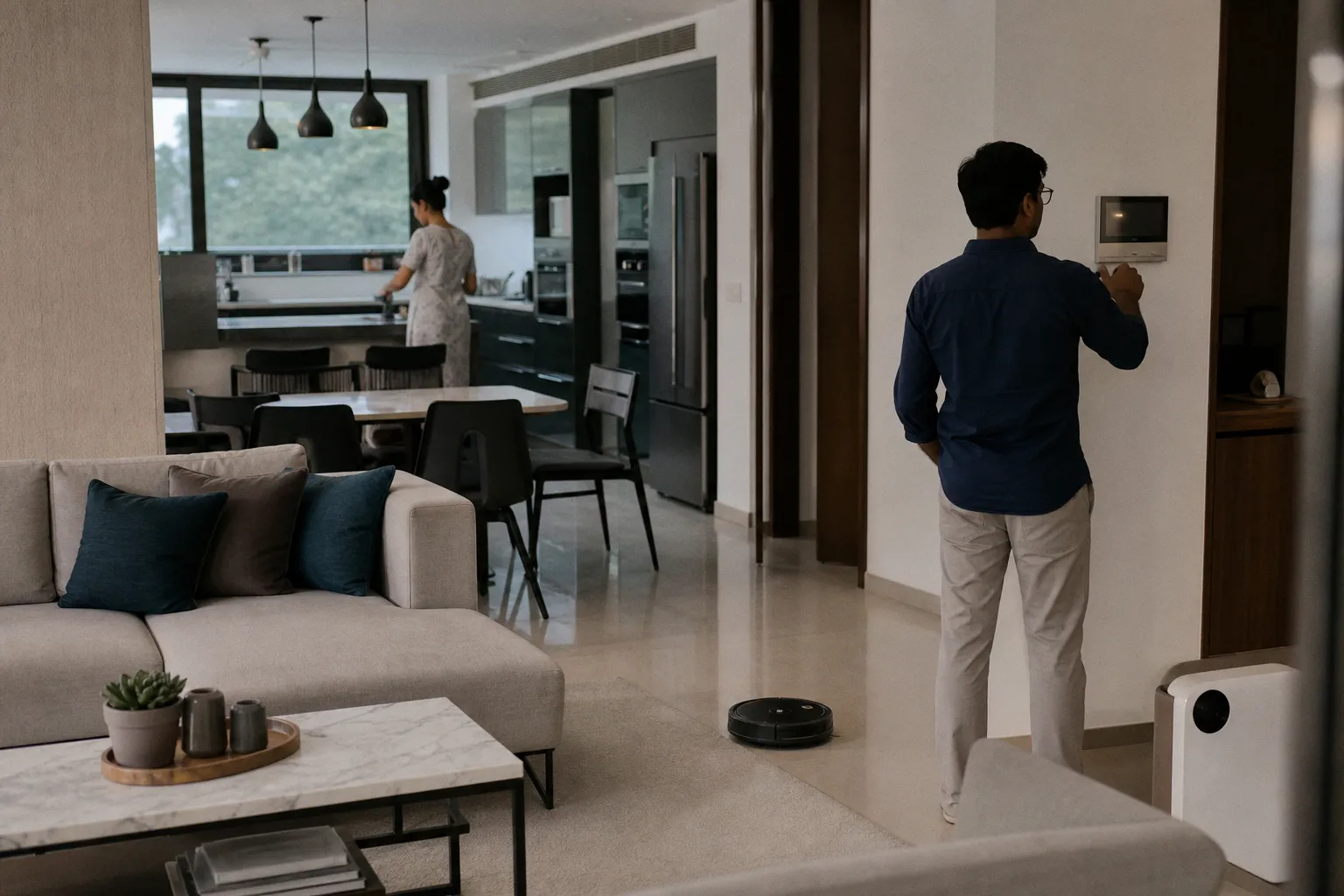
The API Tollbooth: Breaking the Cloud Integration Chain
Under the new pricing structure reported by MSN and Sammy Fans, accessing the SmartThings API will no longer be free, requiring a $4.99 monthly subscription starting in October. For years, the SmartThings API has served as a crucial bridge for custom scripts, allowing developers to trigger actions, parse device payloads, and pipe status updates into third-party dashboards. If your current automation stack relies on external webhooks to poll Samsung appliances or trigger routines based on SmartThings sensor data, your logic gates are about to hit a paywall.
This fee isn't just a minor annoyance; it disrupts the fundamental architecture of hybrid smart homes. When a vendor decides to monetize the endpoints that connect their hardware to the wider internet, they force users to choose between paying a recurring rent for their own data or watching their custom-built automation flows break.
The 2030 Vision vs. The Subscription Reality
This API monetization arrives just as industry forecasts, such as a recent analysis by Trade Brains on the future of Indian smart homes, paint a picture of highly integrated living spaces by 2030. These projections outline homes equipped with automated energy dashboards, facial-recognition entry systems, smart mirrors, and health-monitoring bathrooms. However, these advanced systems require seamless cross-device communication to function effectively.
If the industry trend shifts toward charging monthly fees for basic API access, the highly automated home of 2030 will become an expensive web of microtransactions. A smart mirror displaying weather data, a robot vacuum coordinating with waste segregation bins, and an EV charging station communicating with solar roofs will each require their own cloud-to-cloud toll passes. Relying on cloud APIs managed by corporate gatekeepers introduces a single point of failure: at any moment, a firmware update or a policy change can turn a functional system into a collection of isolated, dumb appliances.
Bypassing the Cloud: The Local-First Blueprint
To keep your automation logic intact without paying the Samsung tax, the solution is to migrate away from cloud-dependent APIs and transition to local control. By routing your device communications through local protocols rather than vendor clouds, you bypass the need for external API tokens entirely.
Start by auditing your current SmartThings setup. Identify every automation that relies on cloud-based webhooks or external API calls. Where possible, migrate these devices to local coordinators running open-source platforms like Home Assistant or Hubitat, using Zigbee, Z-Wave, or Matter protocols. Instead of sending a payload up to Samsung's servers to trigger a local light switch, bind the devices directly at the protocol level. For appliances that cannot be controlled locally, treat them as isolated endpoints rather than critical triggers in your automation pipeline. Building your logic gates locally ensures that your home remains functional, private, and free from unexpected subscription fees.