LG Electronics Expands Modular Housing Push, Pairing AI, Appliances and HVAC
LG just hardcoded its appliances into the blueprint. The company signed strategic deals with Sweden's SIBS and Australia's Greater Homes to ship ThinQ-linked HVAC, home energy management, and…
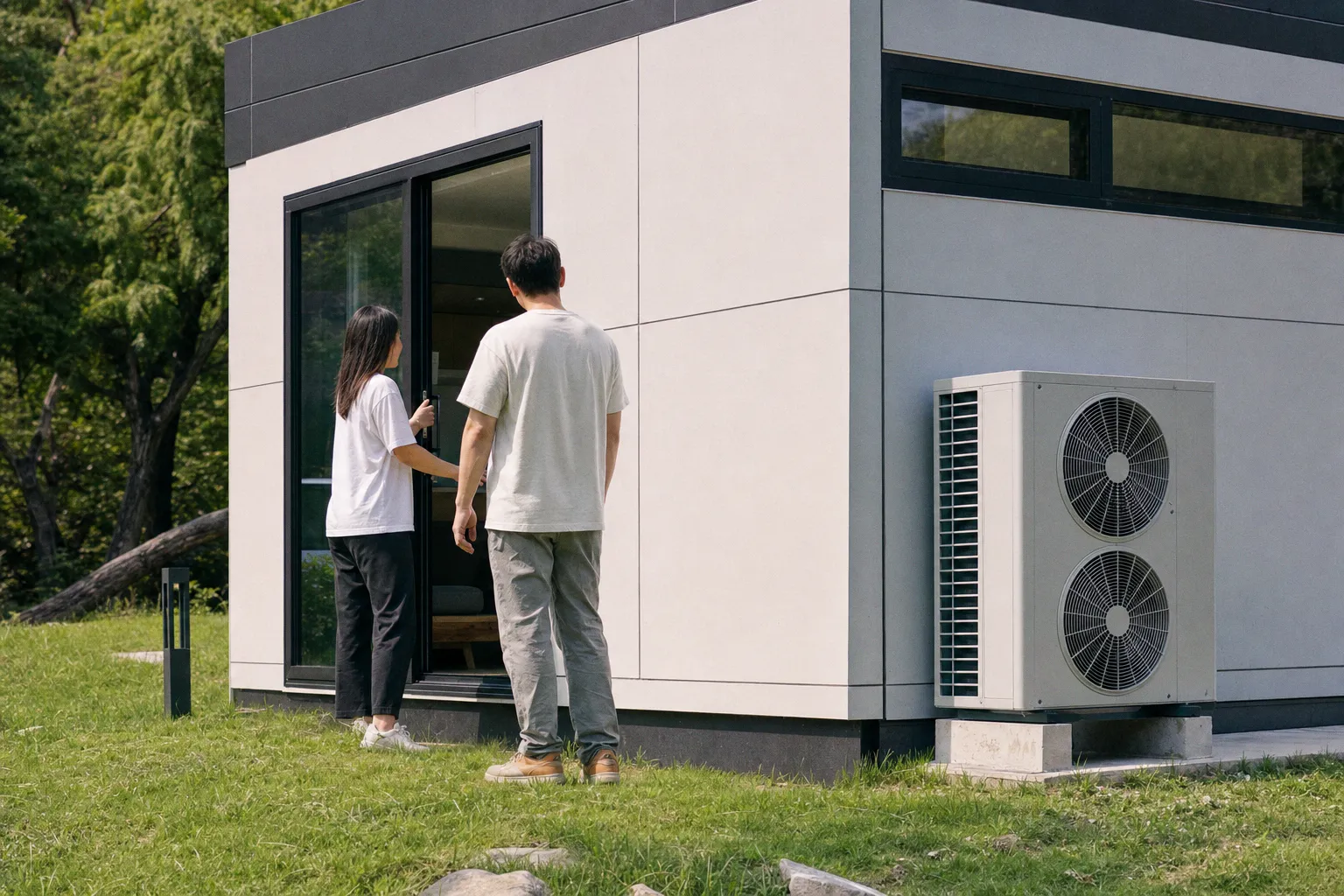
LG just hardcoded its appliances into the blueprint. The company signed strategic deals with Sweden's SIBS and Australia's Greater Homes to ship ThinQ-linked HVAC, home energy management, and appliances directly into factory-built modular housing rolling out across Australia first, with plans to scale. For anyone who has spent a weekend wiring smart relays into existing walls, this is the automation equivalent of compiling at the source instead of patching the binary at runtime.
Pre-wired logic, not retrofit duct tape
The structural advantage here is where the engineering gets interesting. Modular housing means 70% or more of the building gets manufactured in advance, then assembled on-site in a matter of months, with construction costs reportedly cut by up to half. That factory floor is a staging environment for integration. Appliances, sensors, and HVAC aren't afterthoughts stapled to drywall; they're specified, tested, and configured before the modules ever ship. SIBS runs two factories in Malaysia with capacity for 6,000 units a year and is pushing toward 2,000-plus annually in Australia alone. Greater Homes operates a 7,000-square-meter facility in Tullamarine, Victoria, and is currently running a pilot that installs LG's Home Energy Management System directly into its modules.
For an automation architect, that means the orchestration layer is no longer bolted on top of a chaotic physical environment. Load profiles, sensor placement, and HVAC zoning can be designed as one coherent system rather than reverse-engineered into a 1990s floor plan.
The ThinQ garden gets deeper roots
Here is where the pragmatist in me files a complaint. LG's HEMS reportedly trims electricity bills by around 10% on average by optimizing appliance energy use against user patterns through the LG ThinQ Home Solution. That number is real, but the conditional is doing heavy lifting. The savings depend on staying inside the ThinQ ecosystem end to end. Once your modular home ships with LG HVAC, LG appliances, and LG's energy manager pre-paired, the switching cost to Matter, Home Assistant, or anything vendor-neutral goes up considerably. Samsung's parallel push into the modular segment makes the duopoly lock-in even more obvious: two walled gardens competing to be the default operating system of new construction.
What to watch as the rollout scripts itself
Australia is the proving ground. The country has set a target of 1.2 million homes over the five years to 2029, and industry sources cited in coverage expect a shortfall of around 375,000 units. That gap is exactly what makes modular attractive, and exactly why LG is planting its flag now. Global modular housing is projected to reach roughly $140.8 billion by 2029 according to MarketsandMarkets, and LG wants ThinQ baked into a meaningful slice of that pipeline.
For readers planning a build or evaluating a modular developer: ask which energy management platform ships with the unit, whether the HEMS exposes local control or only cloud-mediated APIs, and what happens to those promised 10% savings if you swap a single appliance for a non-ThQ equivalent. The house may arrive pre-wired, but the logic gates are still yours to debug.