Samsung Brings Emergency Response Support to SmartThings Users
You know that moment when your phone is charging in another room and you hear a thud from the bathroom? Or when an aging parent lives alone and you lie awake wondering who'd know if something went wrong?
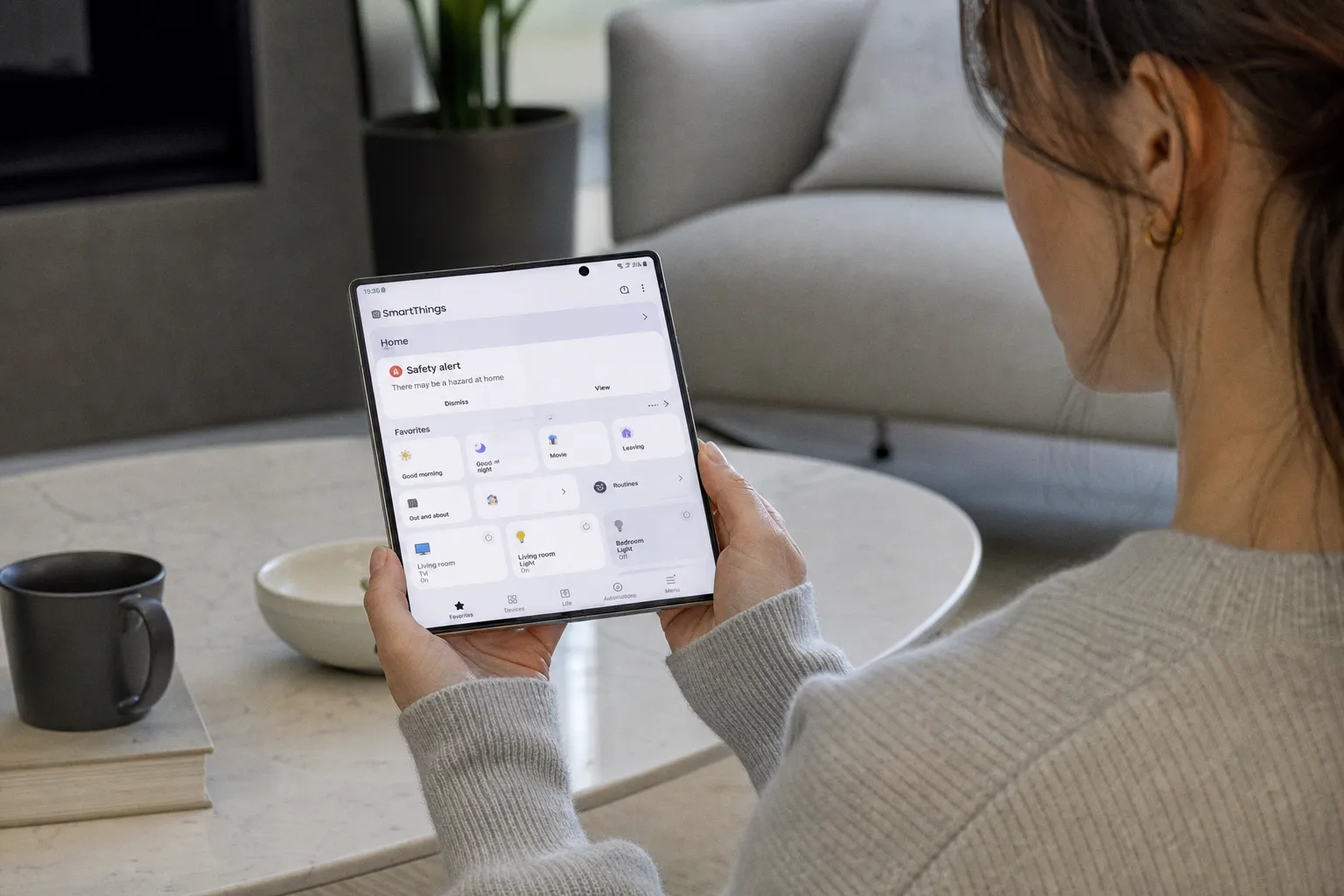
According to reports from SammyGuru and Samsung's own communications at VivaTech 2026, the company is rolling out Emergency Response Support within the SmartThings ecosystem. It's part of a broader push Samsung calls "connected care," tying together Galaxy devices, smart home hardware, and health services into one network. The Seoul Economic Daily reports that Samsung sees SmartThings' 460 million users as the foundation for expanding healthcare capabilities — a staggering reach if even a fraction of those households opt in.
What "emergency response" in your smart home actually looks like
The details are still emerging, and I'd hold off on picturing a full-blown medical alert system until Samsung clarifies the specifics. What we know from the confirmed reporting is that Samsung is positioning SmartThings as more than a hub for turning lights on and off. The idea is that sensors, wearables, and connected appliances could detect something has gone wrong — a fall, an irregular pattern, extended inactivity — and trigger some form of alert or response pathway.
If you've ever fumbled with a standalone medical pendant for a grandparent or worried about leaving kids home alone for an hour, the appeal is obvious. The friction point Samsung seems to target is the gap between "something happened" and "someone finds out." A smart home that's already monitoring motion, door sensors, and wearable health data could theoretically close that gap without adding another standalone gadget to the junk drawer.
The connected care vision — and why the open ecosystem matters
Samsung's VivaTech presentation leaned heavily on the phrase "open ecosystem." That's worth paying attention to. A connected care setup only works if your smart watch, your fridge, your motion sensors, and your phone are all speaking the same language. Samsung's pitch is that their platform already ties these together through SmartThings, so layering emergency response on top is a natural extension rather than a new silo.
The health angle also connects to Samsung's recent moves with Galaxy health features — sleep tracking, heart-rate monitoring, fall detection on watches. Stitching those data points into a home-level response system is where the real potential sits. But an open ecosystem also means Samsung needs partners: alarm monitoring services, local emergency responders, healthcare providers. Whether those partnerships materialize in a way that's seamless for the average household remains the big question.
What to actually do with this news right now
If you're already deep in the SmartThings ecosystem, this is a feature to watch rather than a reason to change your setup today. The reporting doesn't yet specify which devices will support emergency response, whether it requires new hardware, or how alerts will be routed — through Samsung's own monitoring, third-party services, or direct 911 integration.
Here's what I'd suggest in the meantime:
Check your SmartThings app settings. Make sure your connected devices — especially wearables and motion sensors — have health and safety features enabled. If Samsung rolls this out as a software update, you'll want your devices ready to opt in.
Think about who this is for. The sweet spot is households with elderly family members, people living alone, or families with young kids. If you've been shopping for a dedicated medical alert system, it might be worth waiting a few months to see how Samsung's solution compares in practice.
Don't throw out your existing safety setup yet. Emergency response in a smart home platform is only as reliable as your internet connection, your power supply, and the devices themselves. A standalone alert pendant with its own cellular connection doesn't care if your Wi-Fi goes down at 2 a.m. — and that kind of redundancy still matters.
Samsung's ambition to turn 460 million SmartThings users into a connected care network is bold. Whether it becomes genuinely life-saving infrastructure or just another feature buried in an app depends entirely on the execution. I'll be watching for the real details — device compatibility, response times, and whether it actually works when the Wi-Fi hiccups — because that's when this stops being a press release and starts being something worth recommending.